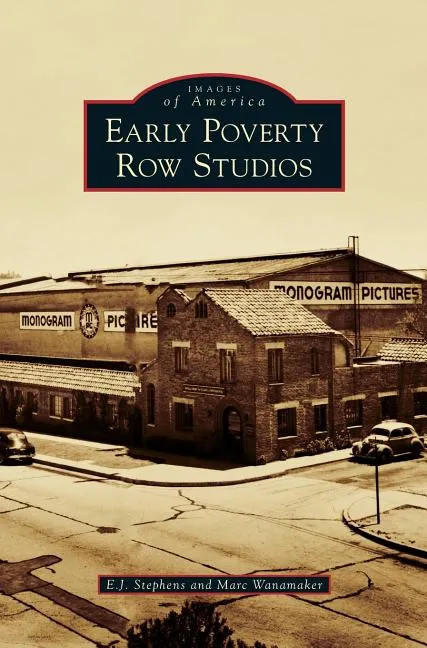
Early Poverty Row Studios
Report an issue
Tell us what's wrong and we'll take a look.
Thanks – we got it. We'll review and follow up if needed.
The history of Hollywood is often seen only through the lens of the major studios, forgetting that many of Tinseltown's early creations came from micro-studios stretched along Sunset Boulevard in an area disparagingly known as Poverty Row. Here, the first wave of West Coast moviemakers migrated to the tiny village of Hollywood, where alcohol was illegal, actors were unwelcome, and cattle were herded down the unpaved streets. Most Poverty Row producers survived from film to film, their fortunes tied to the previous week's take from hundreds of nickelodeon tills. They would routinely script movies around an event or disaster, often creating scenarios using sets from more established productions, when the bosses weren't looking, of course. Poverty Row quickly became a generic term for other fly-by-night studios throughout the Los Angeles area. Their struggles to hang on in Hollywood were often more intriguing than the serialized cliffhangers they produced.
E J Stephens
Authors E.J. Stephens and Kim Stephens are longtime employees of Warner Bros. Studios and have authored or contributed to several books on Hollywood and Southern California history. They own their own travel company and host tours of film sites throughout
More by E J Stephens
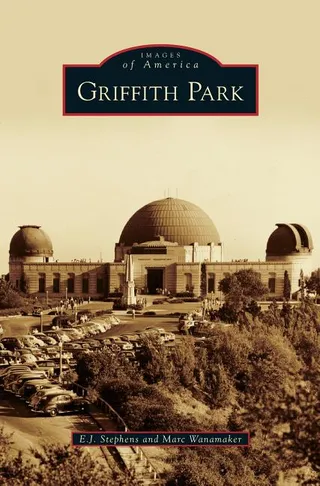
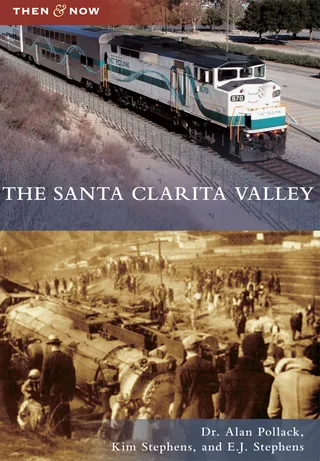
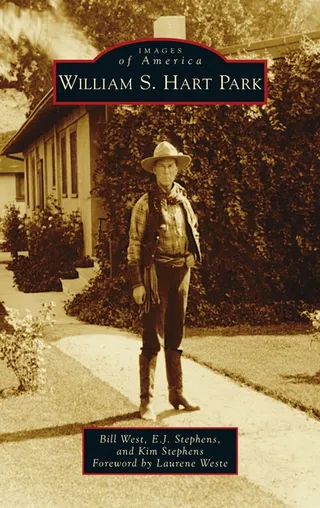
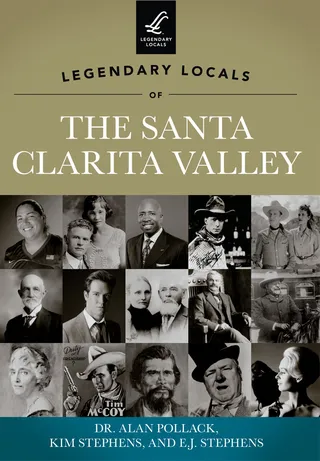
Marc Wanamaker
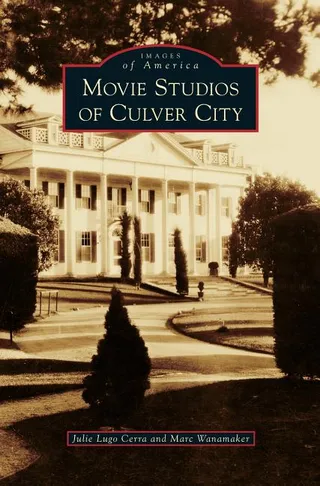
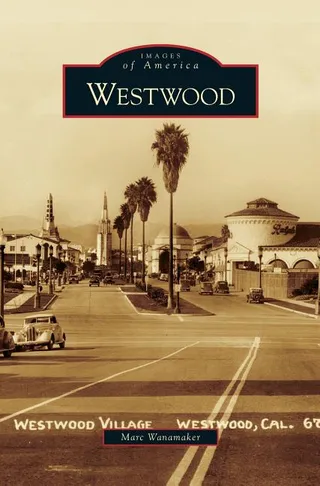
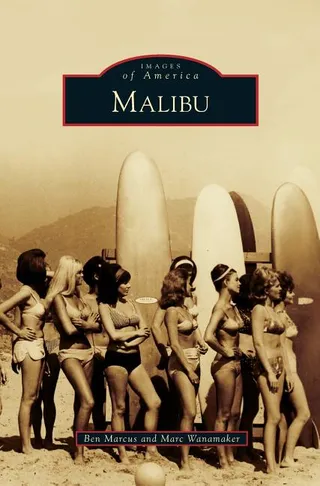
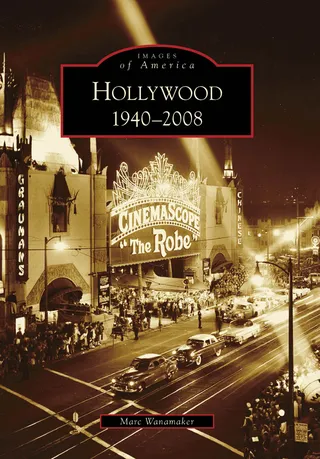
Author Marc Wanamaker owns Bison Archives, one of Southern California's largest repositories of historic photographs, from which he selected these rare images. A consultant on more than 100 documentaries and the author of Arcadia Publishing's Earl
More by Marc Wanamaker



Why Readwise Books?
Readwise Books is an ebook & audiobook platform that automatically logs how much you and your friends read, making it fun and easy to read more. Learn more →