Report an issue
Tell us what's wrong and we'll take a look.
Thanks – we got it. We'll review and follow up if needed.
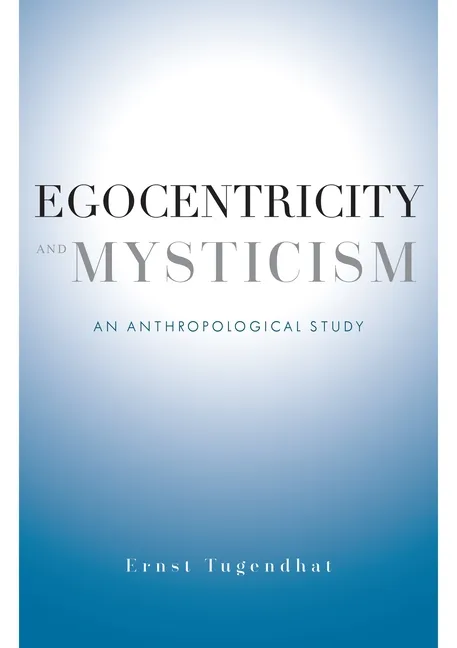
In Egocentricity and Mysticism, Ernst Tugendhat casts mysticism as an innate facet of what it means to be human--a response to an existential need for peace of mind. This need is created by our discursive practices, which serve to differentiate us from one another and privilege our respective first-person standpoints. Emphasizing the first person fuels a desire for mysticism, which builds knowledge of what binds us together and connects us to the world.
Any intellectual pursuit that prompts us to "step back" from our egocentric concerns harbors a mystic kernel that manifests as a sense of awe, wonder, and gratitude. Philosophy, the natural sciences, and mathematics all engender forms of mystical experience as profound as any produced by meditation and asceticism. One of the most widely discussed books by a German philosopher in decades, Egocentricity and Mysticism is a philosophical milestone that clarifies in groundbreaking ways our relationship to language, social interaction, and mortality.
Ernst Tugendhat
Ernst Tugendhat was a Professor of Philosophy at the Free University of Berlin until his retirement in 1992. His many publications include Vorlesungen über Ethik (1993) and Ethics and Politics (1992).
More by Ernst Tugendhat


Why Readwise Books?
Readwise Books is an ebook & audiobook platform that automatically logs how much you and your friends read, making it fun and easy to read more. Learn more →