Land of the Spotted Eagle
Report an issue
Tell us what's wrong and we'll take a look.
Thanks – we got it. We'll review and follow up if needed.
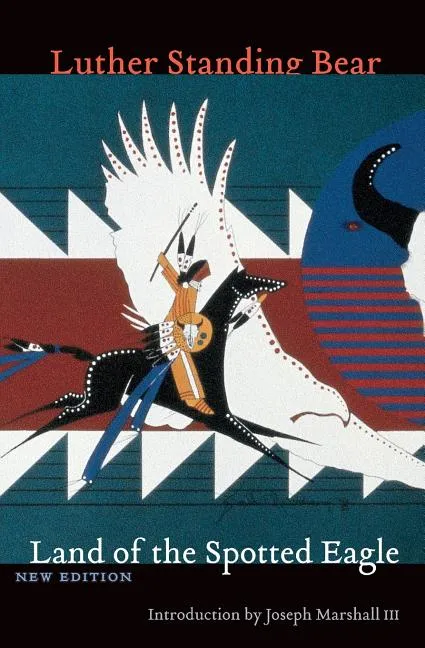
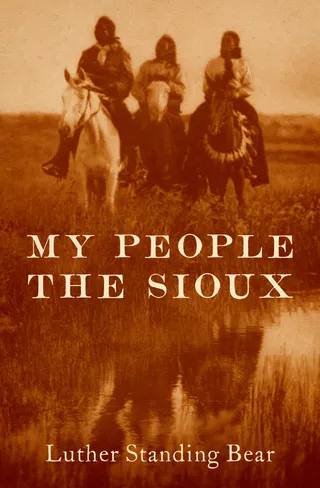
Standing Bear's dismay at the condition of his people, when after sixteen years' absence he returned to the Pine Ridge Sioux Reservation, may well have served as a catalyst for the writing of this book, first published in 1933. In addition to describing the customs, manners, and traditions of the Teton Sioux, Standing Bear also offered more general comments about the importance of native cultures and values and the status of Indian people in American society. Standing Bear sought to tell the white man just how his Indians lived. His book, generously interspersed with personal reminiscences and anecdotes, includes chapters on child rearing, social and political organization, the family, religion, and manhood. Standing Bear's views on Indian affairs and his suggestions for the improvement of white-Indian relations are presented in the two closing chapters.
Luther Standing Bear
Luther Standing Bear was a Sicangu and Oglala Lakota author, educator, philosopher, and actor. He worked to preserve Lakota culture and sovereignty, and was at the forefront of a Progressive movement to change government policy toward Native Americans. Standing Bear was one of the Lakota leaders of his generation who was born and raised in the oral traditions of his culture, but educated in white culture. He went on to write historical accounts in English about his people and their history. Standing Bear’s writings about his early life, years at the Carlisle Indian Industrial School, Wild Westing with Buffalo Bill, and life on the reservations presented a Native American viewpoint during the Progressive Era in American history. His commentary on Native American culture educated the American people, deepened public awareness, and created popular support to change government policies toward Native American groups. Standing Bear helped create the popular twentieth-century image that Native American culture is traditionally holistic and deeply respectful of nature. His works have become part of college syllabi in anthropology, literature, history, and philosophy, and constitute a legacy and treasury of Native American thought.
More by Luther Standing Bear


Why Readwise Books?
Readwise Books is an ebook & audiobook platform that automatically logs how much you and your friends read, making it fun and easy to read more. Learn more →