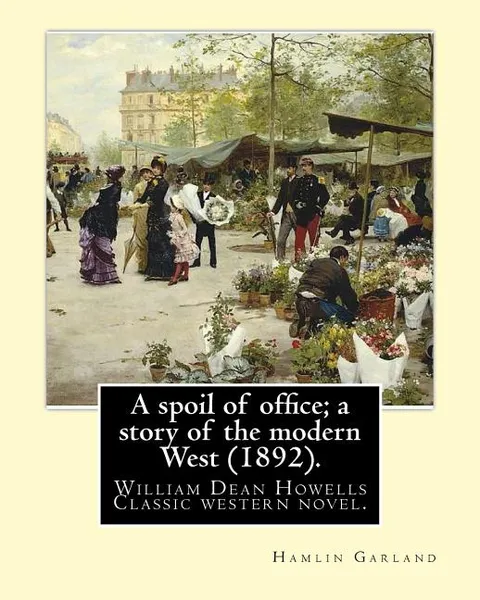
A spoil of office; a story of the modern West (1892). By
Hamlin Garland: to William Dean Howells (March 1, 1837 - May 11, 1920) was an American realist novelist, literary critic, and playwright.
Report an issue
Tell us what's wrong and we'll take a look.
Thanks – we got it. We'll review and follow up if needed.
Hannibal Hamlin Garland (September 14, 1860 - March 4, 1940) was a Pulitzer prizewinning American novelist, poet, essayist, and short story writer, Georgist, and parapsychology skeptic/researcher. He is best known for his fiction involving hard-working Midwestern farmers.Hannibal Hamlin Garland was born on a farm near West Salem, Wisconsin, on September 14, 1860, the second of four children of Richard Garland of Maine and Charlotte Isabelle McClintock.The boy was named after Hannibal Hamlin, the candidate for vice-president under Abraham Lincoln.He lived on various Midwestern farms throughout his young life, but settled in Boston, Massachusetts, in 1884 to pursue a career in writing. He read diligently in the Boston Public Library.There he became enamored with the ideas of Henry George, and his Single Tax Movement.George's ideas came to influence a number of his works, such as Main-Travelled Roads (1891), Prairie Folks (1892), and his novel Jason Edwards (1892). Main-Travelled Roads was his first major success. It was a collection of short stories inspired by his days on the farm. He serialized a biography of Ulysses S. Grant in McClure's Magazine before publishing it as a book in 1898. The same year, Garland traveled to the Yukon to witness the Klondike Gold Rush, which inspired The Trail of the Gold Seekers (1899). He lived on a farm between Osage, and St. Ansgar, Iowa for quite some time. Many of his writings are based on this era of his life. In Illinois, Garland married Zulime Taft, the sister of sculptor Lorado Taft, and began working as a teacher and a lecturer. A prolific writer, Garland continued to publish novels, short fiction, and essays. In 1917, he published his autobiography, A Son of the Middle Border. The book's success prompted a sequel, A Daughter of the Middle Border, for which Garland won the 1922 Pulitzer Prize for Biography. After two more volumes, Garland began a second series of memoirs based on his diary. Garland naturally became quite well known during his lifetime and had many friends in literary circles. He was made a member of the American Academy of Arts and Letters in 1918.... William Dean Howells ( March 1, 1837 - May 11, 1920) was an American realist novelist, literary critic, and playwright. Nicknamed "The Dean of American Letters", he was particularly known for his tenure as editor of The Atlantic Monthly as well as his own prolific writings, including the Christmas story "Christmas Every Day", and the novels The Rise of Silas Lapham and A Traveler from Altruria.
William Dean Howells
William Dean Howells (1837-1920) was an American novelist, literary critic, and editor who played a significant role in the development of American literature in the late 19th century. He was born in Ohio and worked as a printer's apprentice before becoming a journalist and eventually a fiction writer. Howells' most famous novels include "The Rise of Silas Lapham," "A Hazard of New Fortunes," and "The Minister's Charge." He was also an influential literary critic and editor, serving as the editor of The Atlantic Monthly from 1871 to 1881 and advocating for realism in literature. Howells was a friend and mentor to many writers of his time, including Mark Twain and Henry James. He also played an important role in promoting the works of African American writers, such as Paul Laurence Dunbar. Throughout his career, Howells was known for his social commentary and his concern for social justice. He was a strong advocate for women's rights and was active in the abolitionist movement before the Civil War. Overall, William Dean Howells was a key figure in the development of American literature in the late 19th century, and his contributions as a novelist, critic, and editor continue to be studied and appreciated today.
More by William Dean Howells
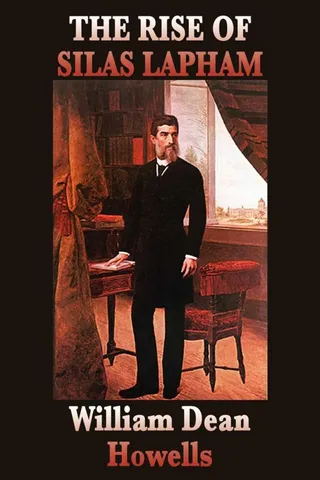

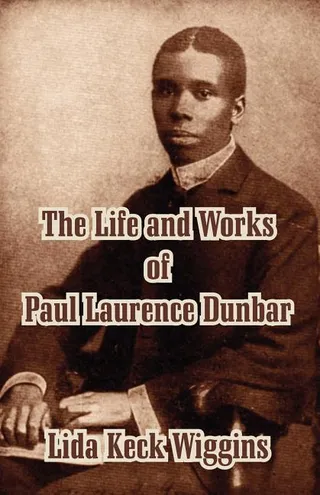



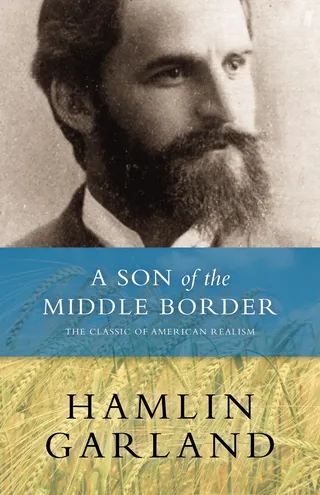
Hamlin Garland
Hannibal Hamlin Garland was an American novelist, poet, essayist, short story author, Georgist, and psychical researcher. He is best known for his fiction about hardworking Midwestern farmers. Hannibal Hamlin Garland was born on a farm near West Salem, Wisconsin, on September 14, 1860, as the second of four children of Richard Garland of Maine and Charlotte Isabelle McClintock. The boy was named after Abraham Lincoln's vice president, Hannibal Hamlin. He grew up on numerous Midwestern farms before relocating to Boston, Massachusetts, in 1884 to pursue a writing career. He read diligently at the Boston Public Library. There he grew infatuated with Henry George's views and the Single Tax Movement. George's beliefs influenced several of his writings, including Main-Travelled Roads (1891), Prairie Folks (1892), and his novel Jason Edwards (1892). Main-Travelled Roads was his first big hit. It was a compilation of short stories inspired by his time on the farm. He serialized a biography of Ulysses S. Grant in McClure's Magazine before turning it into a book in 1898. The same year, Garland visited the Yukon to observe the Klondike Gold Rush, which inspired The Trail of the Gold Seekers (1899).
More by Hamlin Garland






Why Readwise Books?
Readwise Books is an ebook & audiobook platform that automatically logs how much you and your friends read, making it fun and easy to read more. Learn more →