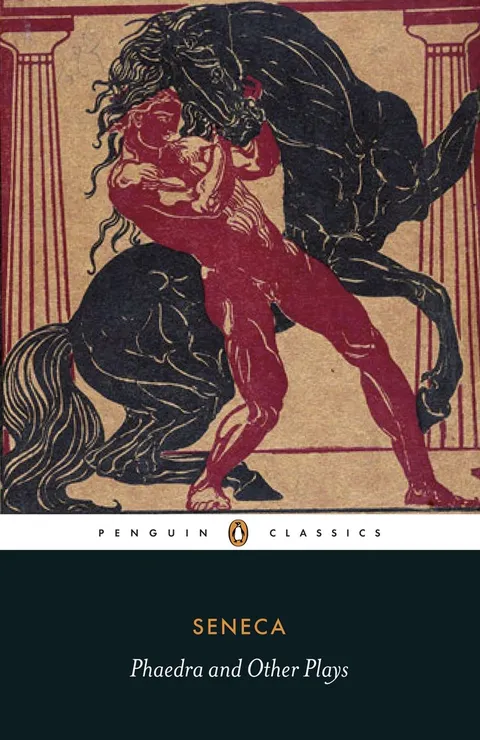
Phaedra and Other Plays
Report an issue
Tell us what's wrong and we'll take a look.
Thanks – we got it. We'll review and follow up if needed.
Living in Rome under Caligula and later a tutor to Nero Seneca witnessed the extremes of human behaviour. His shocking and bloodthirsty plays not only reflect a brutal period of history but also show how guilt sorrow anger and desire lead individuals to violence. The hero of Hercules Insane saves his own family from slaughter only to commit further atrocities when he goes mad. The horrifying death of Astyanax is recounted in Trojan Women and Phaedra deals with forbidden love. In Oedipus a nervous man discovers himself while Thyestes recounts the bitter family struggle for a crown. Of uncertain authorship Octavia dramatizes Nero's divorce from his wife and her deportation. The only Latin tragedies to have survived complete these plays are masterpieces of vibrant muscular language and psychological insight.
Seneca
Lucius Annaeus Seneca the Younger usually known as Seneca, was a Roman Stoic philosopher, statesman, dramatist, and, in one work, satirist, from the post-Augustan age of Latin literature.
More by Seneca

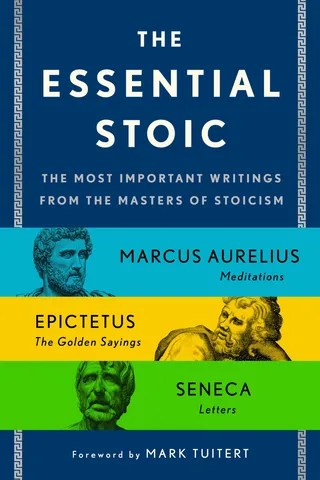
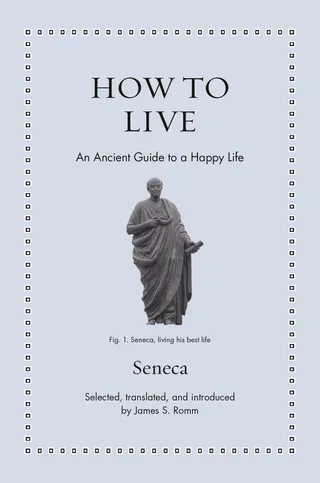
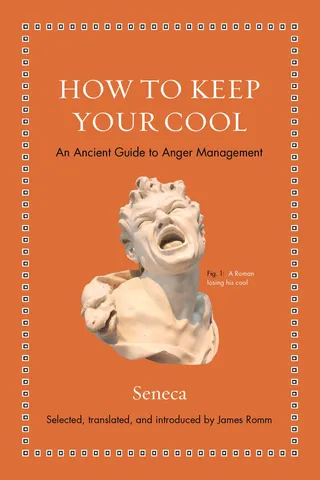
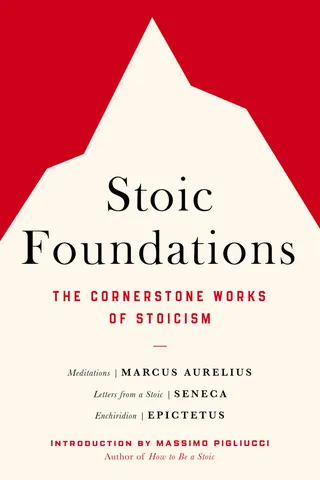
R Scott Smith
Translated by
R. Scott Smith is Assistant Professor of Ethics and Christian Apologetics at Biola University in California. He is the author of Virtue Ethics and Moral Knowledge. Dr. Smith has lectured and presented numerous times on his specialty, postmodernism, and he is also the secretary-treasurer of the Evangelical Philosophical Society.


Why Readwise Books?
Readwise Books is an ebook & audiobook platform that automatically logs how much you and your friends read, making it fun and easy to read more. Learn more →