Report an issue
Tell us what's wrong and we'll take a look.
Thanks – we got it. We'll review and follow up if needed.
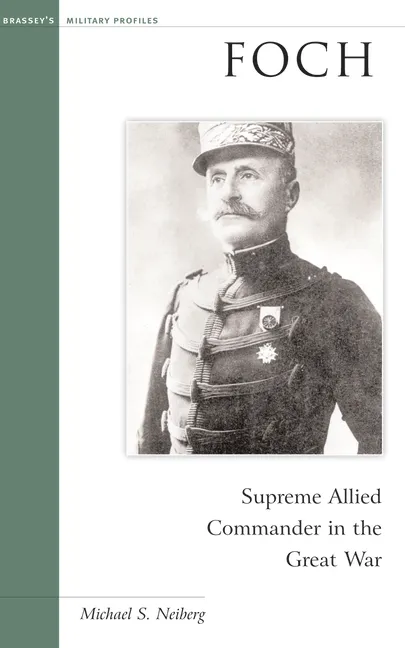
Foch's other important legacy is his public dispute with French prime minister Georges Clemenceau during the armistice and peace negotiations. Foch argued strongly for the creation of Allied bridgeheads across the Rhine River to ensure that a less populous and less industrialized France could defeat a vengeful Germany in the future if necessary. His public quarrels with Clemenceau, who did not share Foch's opinion and did not care for his interference, left the French Third Republic with a civil-military crisis as menacing as the one with which it began World War I. Foch's legacies are both positive and negative, but he left a profound impact on the twentieth century. Michael S. Neiberg masterfully analyzes this complex man and provides a solid overview of French political history against the fabric of the twentieth century's first industrialized war.
Michael S Neiberg
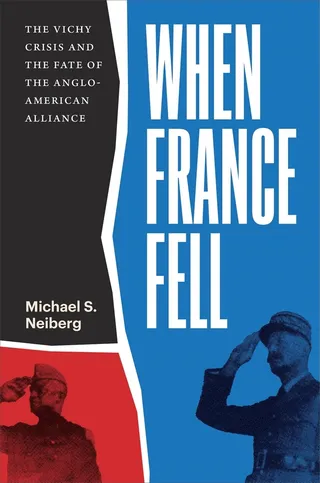
Michael Neiberg is a professor of history and international security at the University of Florida. He has written extensively on World War I and World War II, including Potsdam: The End of World War II and the Remaking of Europe (Harry Truman Prize winner); Dance of the Furies: Europe and the Outbreak of World War I; and When France Fell: The Vichy Crisis and the Fate of the Anglo-American Relationship (2022 Society for Military History Book Prize winner). He lives in Gainesville, Florida.
More by Michael S Neiberg


Why Readwise Books?
Readwise Books is an ebook & audiobook platform that automatically logs how much you and your friends read, making it fun and easy to read more. Learn more →