Report an issue
Tell us what's wrong and we'll take a look.
Thanks – we got it. We'll review and follow up if needed.
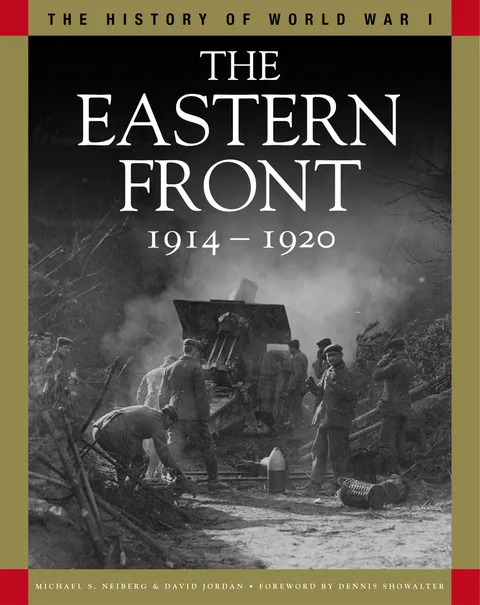
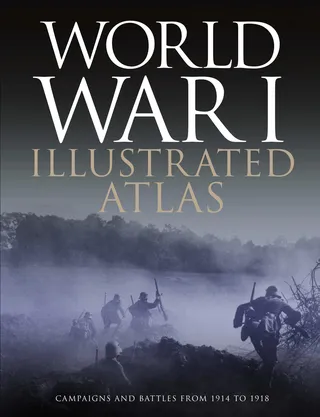
While World War I on the Western Front developed into trench warfare, the battle lines on the Eastern Front were much more fluid and trenches never truly developed. This was because the greater length of the front ensured that the density of soldiers in the line was lower so the line was easier to break. Once broken, the sparse communication networks made it difficult for the defender to rush reinforcements to the rupture in the line to mount a rapid counteroffensive and seal off a breakthrough. There was also the fact that the terrain in the Eastern European theatre was quite solid, often making it near impossible to construct anything resembling the complicated trench systems on the Western Front, which tended to have muddier and much more workable terrain. In short, on the Eastern front the side defending did not have the overwhelming advantages it had on the Western front. Because of this, front lines in the East kept on shifting throughout the conflict, and not just near the beginning and end of the fighting, as was the case in the West. In fact the greatest advance of the whole war was made in the East by the German Army in the summer of 1915. With the aid of numerous black and white and color photographs, many previously unpublished, the World War I series recreates the battles and campaigns that raged across the surface of the globe, on land, at sea and in the air. The text is complemented by full-colour maps that guide the reader through specific actions and campaigns.
Michael S Neiberg
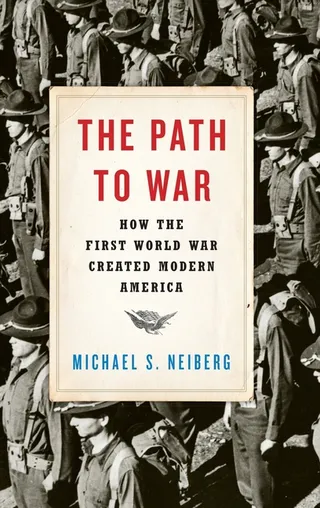
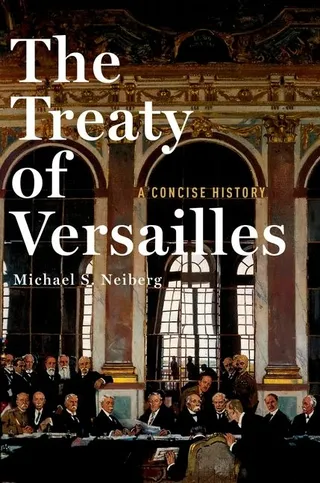
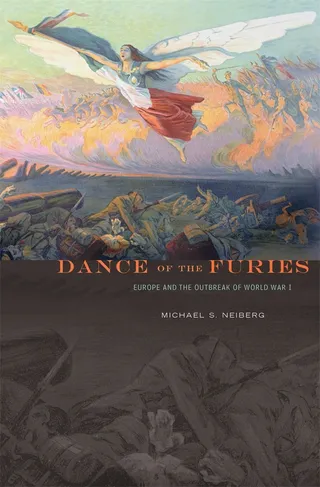
Michael Neiberg is a professor of history and international security at the University of Florida. He has written extensively on World War I and World War II, including Potsdam: The End of World War II and the Remaking of Europe (Harry Truman Prize winner); Dance of the Furies: Europe and the Outbreak of World War I; and When France Fell: The Vichy Crisis and the Fate of the Anglo-American Relationship (2022 Society for Military History Book Prize winner). He lives in Gainesville, Florida.
More by Michael S Neiberg
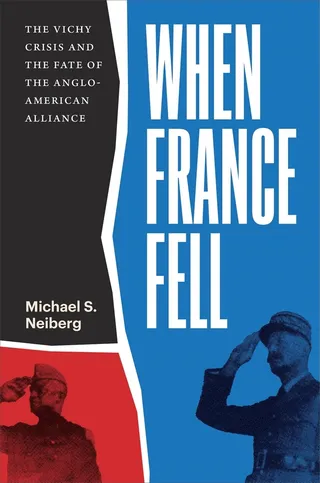
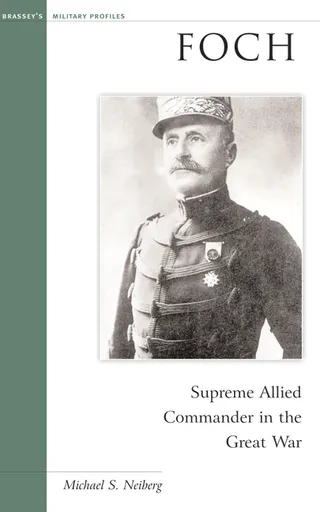
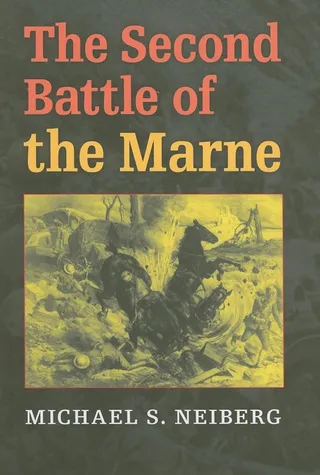
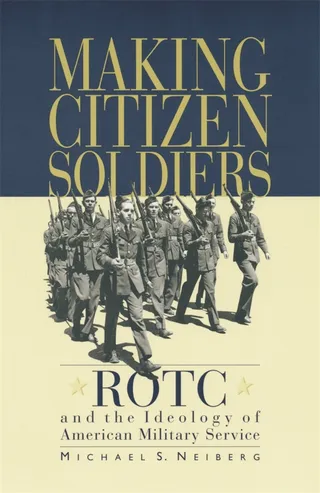
David Jordan
David Jordan is a Senior Lecturer in the Defence Studies Department at King's College London, and is based at the Joint Services Command and Staff College, Shrivenham, UK. Prior to this, he was a Lecturer in the Department of Modern History at the University of Birmingham. He has been Academic Director for the air power aspects of the Advanced Command and Staff Course, Departmental Director of Teaching, and is currently the Air Warfare Historian to the Higher Command and Staff Course. He is a co-director of the RAF Centre for Air Power Studies, a member of the Chief of the Air Staff's Air Power Workshop and serves on the editorial board for the RAF's Air Power Review.
More by David Jordan









Why Readwise Books?
Readwise Books is an ebook & audiobook platform that automatically logs how much you and your friends read, making it fun and easy to read more. Learn more →