
Australia's Argonauts
The remarkable story of the First Class to enter the Royal Australian Naval College
Report an issue
Tell us what's wrong and we'll take a look.
Thanks – we got it. We'll review and follow up if needed.

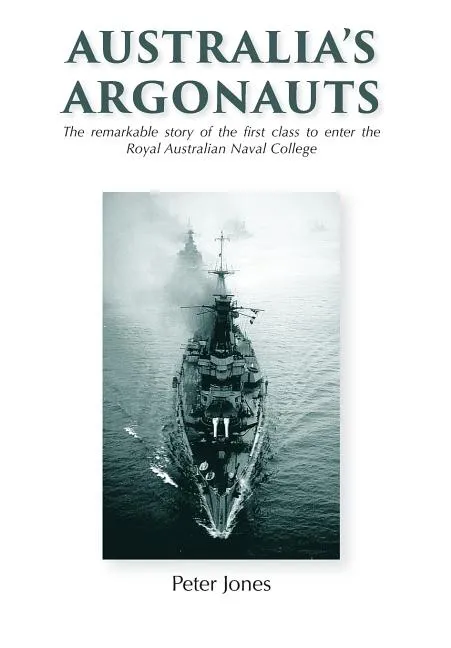
The story of the first cadet-midshipmen to join the Royal Australian Naval College is without parallel.
In 1913 twenty-eight thirteen-year-old boys joined the new Navy at a time when Australia was both idealistic and ambitious. The boys were drawn from every State and became known as the ‘Pioneer Class'.
Australia's Argonauts is the result of many years' research. It brings together previously unpublished diaries, letters, archival material and photographs. The Pioneer Class bore witness to or were leading actors in the most important events in the Navy’s early history. The most famous member was John Collins, hero of the Sydney-Bartolomeo Colleoni action, who became the first Naval College graduate to be Chief of Naval Staff. The class also included Rupert Long who played a pivotal role in Naval intelligence, Eric Feldt who ran the famous 'Coastwatchers' and Peyton Kimlin who wrote the score for one of Australia's first ballet. But like the argonauts of legend, they faced travails that sometimes consumed them.
The book charts the lives of the Pioneer Class from their first days at the Naval College, service with the Grand Fleet in World War I, naval and civilian careers between the wars, their great contribution during World War II and their passing into our history.
The Pioneer Class were not only the first, but the greatest class to graduate from the Naval College.
Peter Jones
Peter Jones (PhD, Princeton Theological Seminary) is the author of many books, including One or Two: Seeing a World of Difference, The God of Sex: How Spirituality Defines Your Sexuality, and The Gnostic Empire Strikes Back: An Old Heresy for the New Age. He is the executive director of truthXchange and an ordained minister in the Presbyterian Church in America.
More by Peter Jones









Why Readwise Books?
Readwise Books is an ebook & audiobook platform that automatically logs how much you and your friends read, making it fun and easy to read more. Learn more →