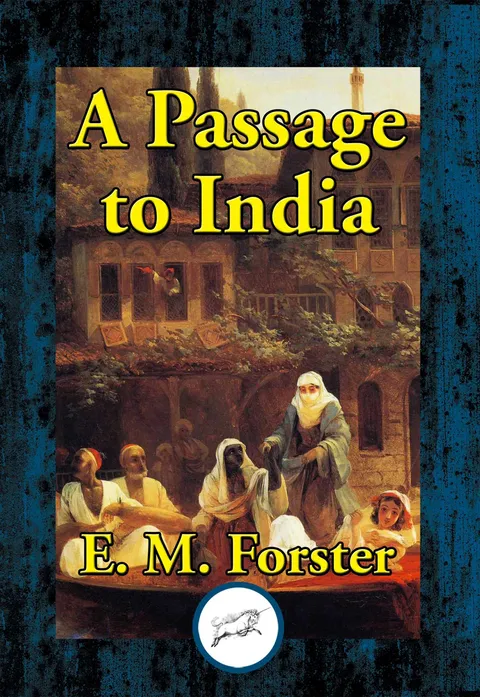
Passage to India
Report an issue
Tell us what's wrong and we'll take a look.
Thanks – we got it. We'll review and follow up if needed.
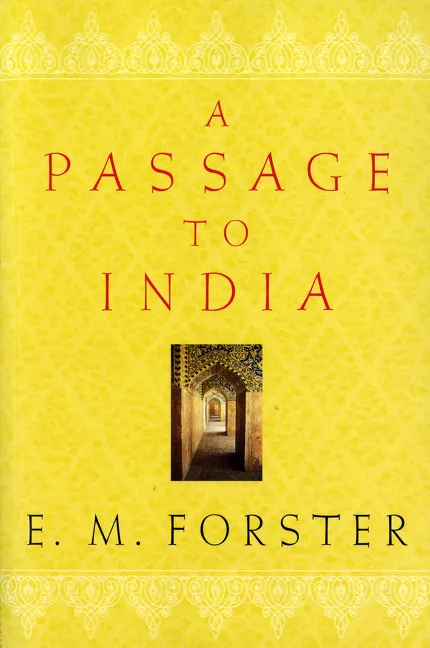
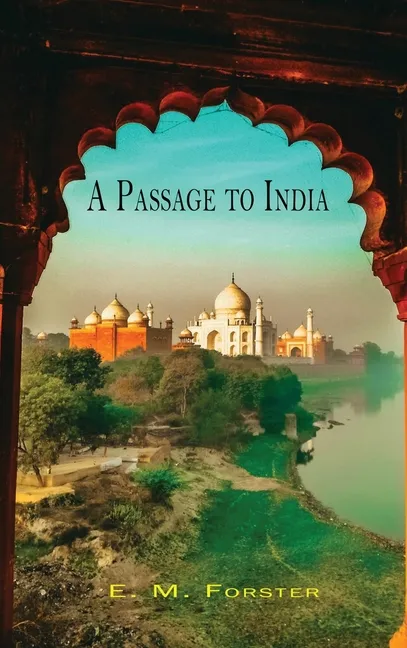
'A Passage to India' is set against the backdrop of the British Raj and the Indian independence movement in the 1920s. It was selected as one of the 100 great works of 20th century English literature by the Modern Library and won the 1924 James Tait Black Memorial Prize for fiction. Time magazine included the novel in its All Time 100 Novels list. The novel is based on Forster's experiences in India and the title is derived from Walt Whitman's 1870 poem "Passage to India" in Leaves of Grass.
'A Passage to India' explores the common racial tensions and prejudices between Indians and the British who ruled India. One of the greatest novels every written.
E M Forster
E. M. Forster wrote with quiet brilliance about the hidden tensions beneath polite society. Born in 1879 in England, he grew up in a world shaped by strict social codes and deep class divisions. His philosophy centered on human connection, urging people to move beyond convention and truly "only connect."His novels explore the fragile boundaries between classes, cultures, and personal identity. In works such as A Passage to India, Howards End, and A Room with a View, he examined friendship, misunderstanding, and the limits of social structure. His writing emphasizes empathy, honesty, and the courage to form genuine relationships in a divided world.His influence lies in his ability to challenge social norms with subtlety and depth. Forster's works helped shape modern literary discussions on class, colonialism, and human connection. Today, his novels remain widely studied and admired for their insight, elegance, and enduring relevance.
More by E M Forster




Why Readwise Books?
Readwise Books is an ebook & audiobook platform that automatically logs how much you and your friends read, making it fun and easy to read more. Learn more →