
Citizenship & Nationality in Liberia
Report an issue
Tell us what's wrong and we'll take a look.
Thanks – we got it. We'll review and follow up if needed.
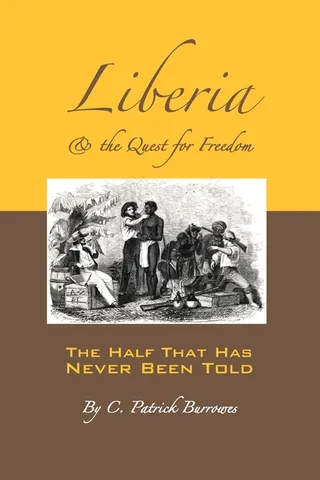
Liberian citizenship has been restricted to people of African descent since the country declared its independence in 1847. In 2018, President George Weah called that restriction "racist" and called for the Constitution to be changed. In urging extension of Liberian citizenship to non-blacks, Pres. Weah said, the limitation may have been "appropriate for the 19th century, and for the threats and conditions that existed at that time. However, here in the 21st century, I am of the view that these threats no longer exist." But as Weah was speaking many of those historic "threats and conditions" were reemerging in the West. Support surged for anti-immigrant political parties and candidates. Mounting restrictions are directed mainly at people of color, especially those of African descent. Who is a Liberian? What rights and responsibilities should citizens have? These are some of the critical questions facing Liberians, given the destruction to citizenship and nationalism wrought by the war. These questions can't be ignored or postponed. They are key to fixing the country's politics and economy. They require a dialogue among today's Liberians before expanding citizenship to others. To do otherwise would be an invitation to disaster. This book reviews the history of citizenship and nationality in Liberia, including the origin of the "Negro Clause." Here are some highlights: Liberia, at its founding, was "a nationality in search of a nation." Due to Samori Touré's incursions and the European Scramble for Africa, the country shifted from a loose confederation of ethnic groups to a state with tight borders. As a result of globalization and the Civil War, Liberians are functioning less as citizens and more like clients of "big men" in politics and other spheres. The role of women as guardians of public morality was evident toward the end of the war when a group known as Women Crusaders for Peace played a critical role in shaming male leaders of warring factions to engage in negotiations.
C Patrick Burrowes
C. Patrick Burrowes is Vice President for Academic Affairs, Cuttington University and Liberian Historian.
More by C Patrick Burrowes




Why Readwise Books?
Readwise Books is an ebook & audiobook platform that automatically logs how much you and your friends read, making it fun and easy to read more. Learn more →