Report an issue
Tell us what's wrong and we'll take a look.
Thanks – we got it. We'll review and follow up if needed.
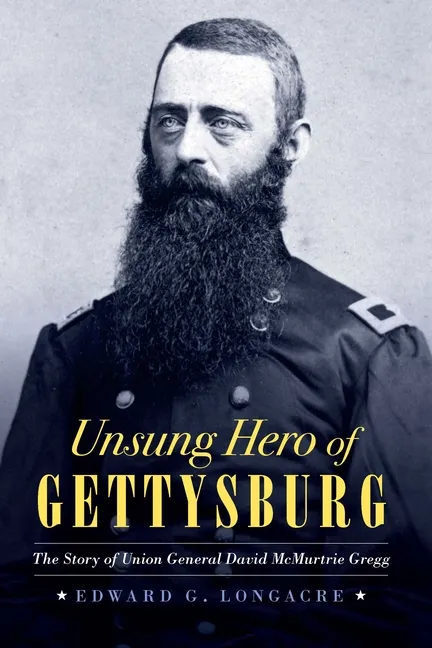
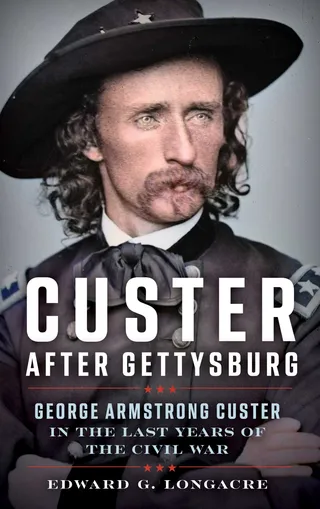
The highlight of his service occurred on July 3, 1863, the climactic third day at Gettysburg, when he led his own command as well as the brigade of Brig. Gen. George Armstrong Custer in repulsing an attempt by thousands of Confederate cavalry under the legendary J. E. B. Stuart in attacking the right flank and rear of the Union Army while Pickett's charge struck its front and center.
Historians credit Gregg with helping preserve the security of his army at a critical point, making Union victory inevitable. Unlike glory-hunters such as Custer and Stuart, Gregg was a quietly competent veteran who never promoted himself or sought personal recognition for his service. Rarely has a military commander of such distinction been denied a biographer's tribute. Gregg's time is long overdue.
Edward G Longacre
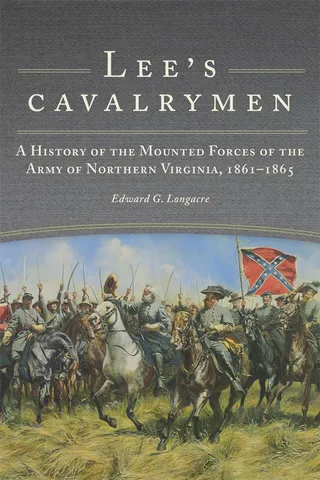
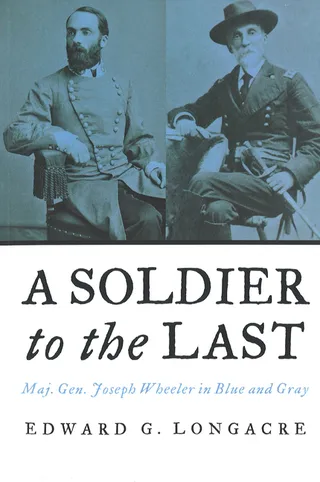
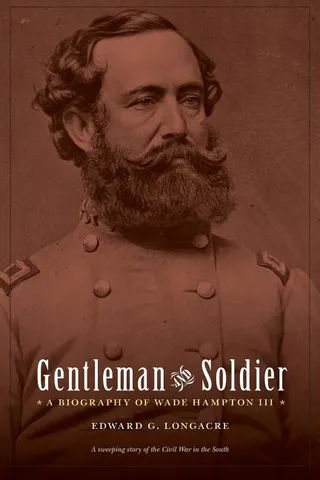
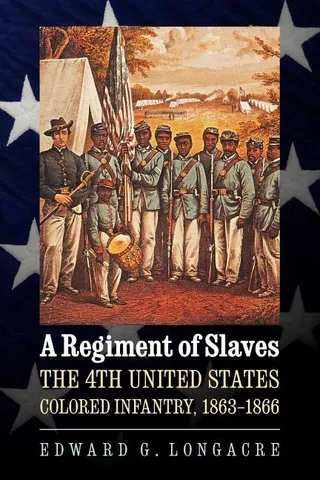
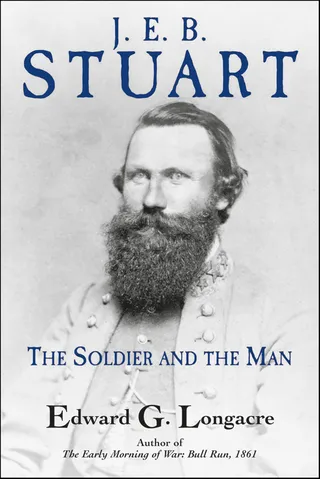
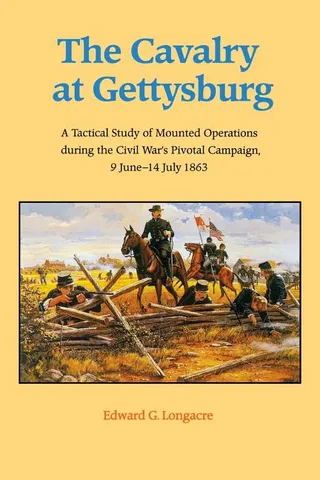
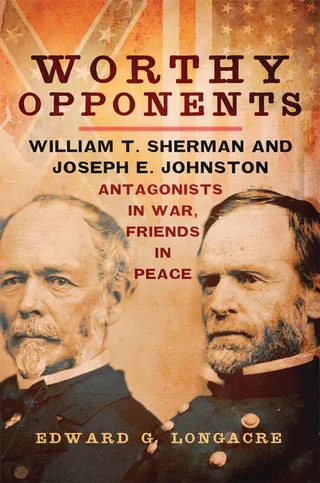
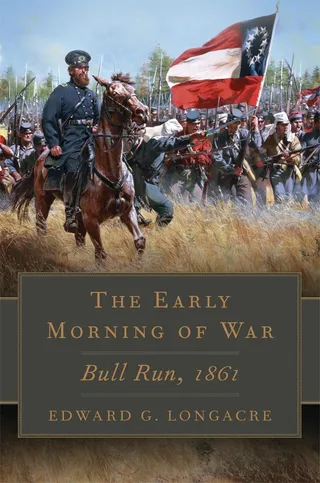
Edward G. Longacre is a retired historian for the Department of Defense. He is the recipient of a PhD from Temple University and taught military history at the University of Nebraska and the College of William and Mary. Ed is the author of thirty books, all but one of which cover the Civil War. The Cavalry at Gettysburg won the Fletcher Pratt Award, his biography of Wade Hampton III, Gentleman and Soldier, received the Douglas Southall Freeman History Award, and his study of First Bull Run, The Early Morning of War, received the Dr. James I. Robertson Jr. Literary Prize. He lives with his wife, two dogs, and two cats in Newport News, Virginia, on ground maneuvered over during the 1862 Peninsula Campaign.
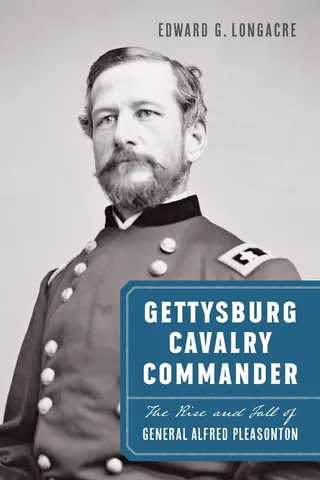
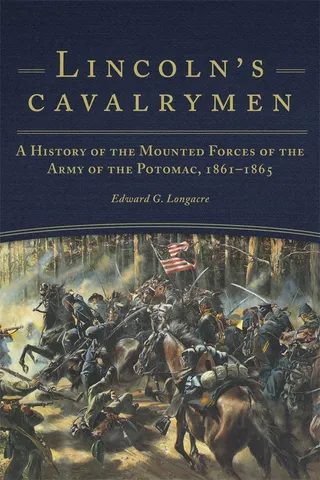
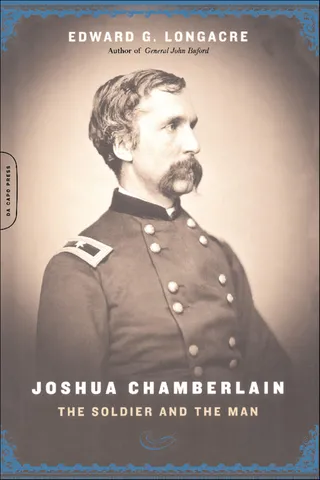
More by Edward G Longacre


Why Readwise Books?
Readwise Books is an ebook & audiobook platform that automatically logs how much you and your friends read, making it fun and easy to read more. Learn more →