Report an issue
Tell us what's wrong and we'll take a look.
Thanks – we got it. We'll review and follow up if needed.
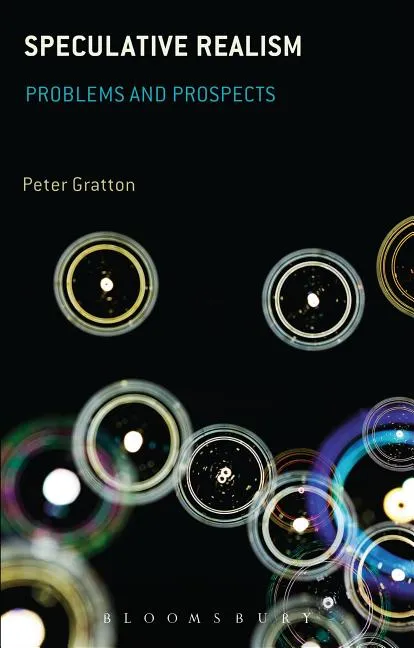
Speculative realism is one of the most talked-about movements in recent Continental philosophy. It has been discussed widely amongst the younger generation of Continental philosophers seeking new philosophical approaches and promises to form the cornerstone of future debates in the field.
This book introduces the contexts out of which speculative realism has emerged and provides an overview of the major contributors and latest developments. It guides the reader through the important questions asked by realism (what can I know? what is reality?), examining philosophy's perennial questions in new ways. The book begins with the speculative realist's critique of 'correlationism', the view that we can never reach what is real beneath our language systems, our means for perception, or our finite manner of being-in-the-world. It goes on to critically review the work of the movement's most important thinkers, including Quentin Meillassoux, Ray Brassier, and Graham Harman, but also other important writers such as Jane Bennett and Catherine Malabou whose writings delineate alternative approaches to the real. It interrogates the crucial questions these thinkers have raised and concludes with a look toward the future of speculative realism, especially as it relates to the reality of time.
Peter Gratton
Peter Gratton is Assistant Professor of Philosophy at Memorial University of Newfoundland and the coeditor (with John Panteleimon Manoussakis) of Traversing the Imaginary: Richard Kearney and the Postmodern Challenge.
More by Peter Gratton


Why Readwise Books?
Readwise Books is an ebook & audiobook platform that automatically logs how much you and your friends read, making it fun and easy to read more. Learn more →