Report an issue
Tell us what's wrong and we'll take a look.
Thanks – we got it. We'll review and follow up if needed.
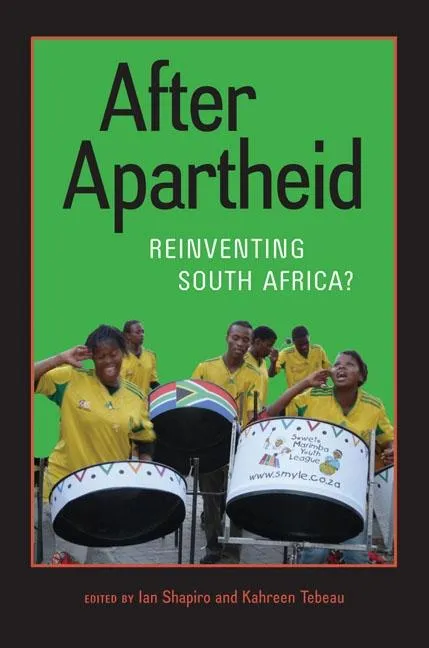
Democracy came to South Africa in April 1994, when the African National Congress won a landslide victory in the first free national election in the country’s history. That definitive and peaceful transition from apartheid is often cited as a model for others to follow. The new order has since survived several transitions of ANC leadership, and it averted a potentially destabilizing constitutional crisis in 2008. Yet enormous challenges remain. Poverty and inequality are among the highest in the world. Staggering unemployment has fueled xenophobia, resulting in deadly aggression directed at refugees and migrant workers from Zimbabwe and Mozambique. Violent crime rates, particularly murder and rape, remain grotesquely high. The HIV/AIDS pandemic was shockingly mishandled at the highest levels of government, and infection rates continue to be overwhelming. Despite the country’s uplifting success of hosting Africa’s first World Cup in 2010, inefficiency and corruption remain rife, infrastructure and basic services are often semifunctional, and political opposition and a free media are under pressure.
In this volume, major scholars chronicle South Africa’s achievements and challenges since the transition. The contributions, all previously unpublished, represent the state of the art in the study of South African politics, economics, law, and social policy.
Ian Shapiro
Ian Shapiro is Sterling Professor of Political Science at Yale University and Henry R. Luce Director at the Yale Center for International and Area Studies. He is the author or editor of many books, including most recently The Flight from Reality in the Human Sciences and Death by a Thousand Cuts: The Fight over Taxing Inherited Wealth.


Why Readwise Books?
Readwise Books is an ebook & audiobook platform that automatically logs how much you and your friends read, making it fun and easy to read more. Learn more →