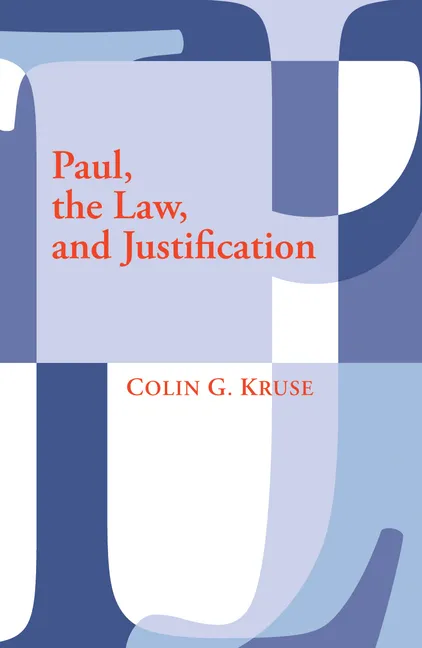
Paul, the Law, and Justification
Report an issue
Tell us what's wrong and we'll take a look.
Thanks – we got it. We'll review and follow up if needed.
Martin Luther drew a strong parallel between the religion of medieval Catholicism and the religion of first-century Judaism against which his hero, Paul, contended. Luther asserted that both taught that salvation was earned by works of merit. E.P. Sanders challenged Luther's view of Judaism in his landmark work Paul and Palestinian Judaism (1977). Judaism was not in principle a religion in which salvation was earned through obeying the law: it was a religion based upon God's election and grace. The debate which Sanders initiated continues, issuing in a flood of articles and monographs. Dr. Kruse insists, however, that the issues raised in the debate must not be allowed to set the agenda. Instead, he takes the loner route of inductive exegesis, allowing each of Paul's letters to speak for itself before attempting a synthesis of Paul's teaching on the law and justification. He faces squarely and honestly the problems which Paul's attitude to the law raises, and he proposes thoroughly researched and considered solutions. His book is an important contribution to the ongoing debate.
Colin G Kruse
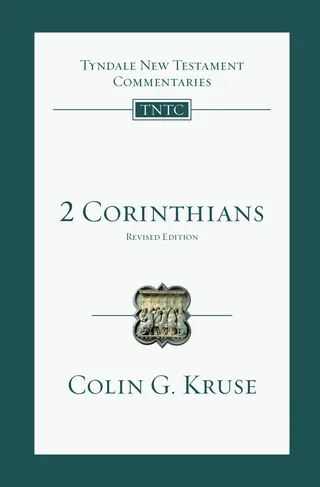
Colin G. Kruse (PhD, Fuller Theological Seminary) is senior lecturer of New Testament at Melbourne School of Theology. In the twenty years following his ordination into the Anglican ministry, Kruse gained practical experience in parishes in Australia and the U.S. along with five years of missionary service as a theological lecturer in Indonesia. Besides journal articles on the New Testament, Old Testament and the Dead Sea Scrolls, Kruse has authored several books including Paul, the Law and Justification and New Testament Models for Ministry: Jesus and Paul. He has also written the Tyndale New Testament Commentary on 2 Corinthians and the Pillar New Testament Commentary titles The Letters of John and Paul'sLetter to the Romans.
More by Colin G Kruse


Why Readwise Books?
Readwise Books is an ebook & audiobook platform that automatically logs how much you and your friends read, making it fun and easy to read more. Learn more →