Report an issue
Tell us what's wrong and we'll take a look.
Thanks – we got it. We'll review and follow up if needed.
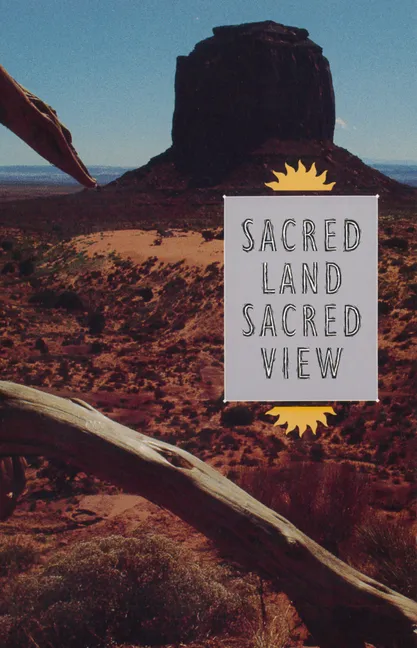
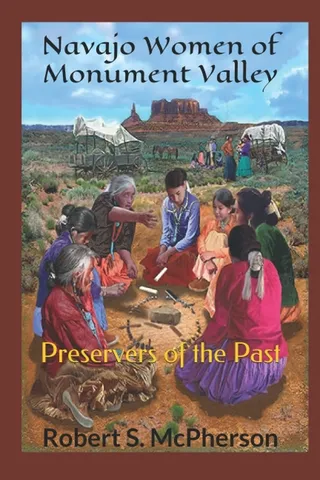
Dramatic geographical formations tower over the Four Corners country in the southwestern United States. The mountains, cliffs, and sandstone spires, familiar landmarks for anglo travelers, orient Navajos both physically and spiritually. In Sacred Land, Sacred View, Robert McPherson describes the mythological significance of these landmarks. Navajos read their environment as a spiritual text: the gods created the physical world to help, teach, and protect people through an integrated system of beliefs represented in nature. The author observes that the Middle East is of "no greater import to Christians than the Dine's holy land is to Navajos." He continues: "Sacred mountains circumscribe the land, containing the junction of the San Juan River and Mancos Creek, where Born for Water invoked supernatural aid to overcome danger and death and where, at the Bear's Ears formation, good triumphed over evil." The more one learns about the Dine, the more one inevitably admires their way of perceiving and interpreting what lies just beyond the focus of human vision. Their renowned respect for nature and way of living in harmony with the environment derive from their religious traditions.
Robert S McPherson
Robert S. McPherson is Professor of History Emeritus at Utah State University-Blanding Campus. He is the author or coauthor of numerous books on Navajo history and the history of the Southwest, including Under the Eagle: Samuel Holiday, Navajo Code Talker (with Samuel Holiday) and Viewing the Ancestors: Perceptions of the Anaasází, Mokwic, and Hisatsinom.
More by Robert S McPherson


Why Readwise Books?
Readwise Books is an ebook & audiobook platform that automatically logs how much you and your friends read, making it fun and easy to read more. Learn more →