Report an issue
Tell us what's wrong and we'll take a look.
Thanks – we got it. We'll review and follow up if needed.
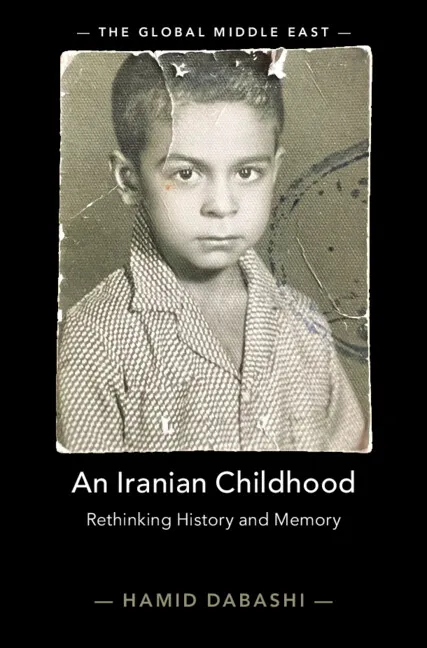
Hamid Dabashi was born and raised in southern Iran in the 1950s and 1960s. During this time, his homeland was changed beyond recognition, from the 1953 coup d'état to the 1963 political protests and the beginning of the Marxist rebellions against the Shah in 1971. In this vibrant, unique and personal study, Dabashi recounts his experience of this defining period in modern Iranian history, deftly blending the personal with the political, the ordinary with the extraordinary. Lyrically written, he combines vivid childhood memories with careful reflection to explore the intersection of history and memory. The book draws upon a rich tapestry of themes and sources, including art, literature, and folklore. In doing so, Dabashi asserts the power and place of the knowing postcolonial subject. Redrawing the limits of modern literary historiography, he asks what it means to be a Muslim and an Iranian, and, indeed, what it is that forms the humanity of a person.
Hamid Dabashi
Hamid Dabashi is the Hagop Kevorkian Professor of Iranian Studies and Comparative Literature at Columbia University. He is the author of many books, among them Masters and Masterpieces of Iranian Cinema and The End of Two Illusions: Islam after the West.
More by Hamid Dabashi



Why Readwise Books?
Readwise Books is an ebook & audiobook platform that automatically logs how much you and your friends read, making it fun and easy to read more. Learn more →