Report an issue
Tell us what's wrong and we'll take a look.
Thanks – we got it. We'll review and follow up if needed.
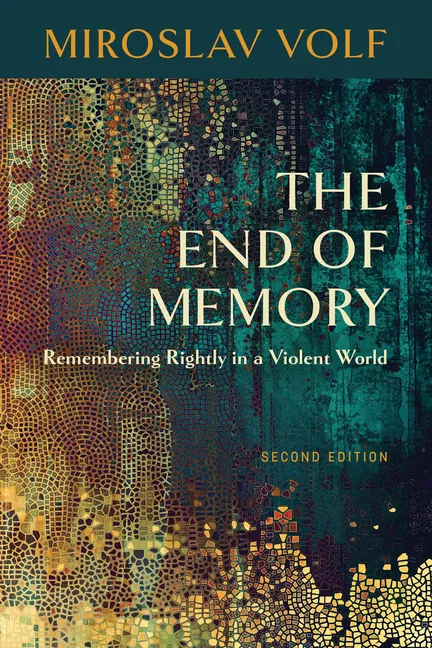
Winner of the Christianity Today Book Award in Christianity and Culture
How should we remember atrocities? Should we ever forgive abusers? Can we not hope for final reconciliation, even if it means redeemed victims and perpetrators spending eternity together?
We live in an age that insists that past wrongs--genocides, terrorist attacks, bald personal injustices--should never be forgotten. But Miroslav Volf here proposes the radical idea that letting go of such memories--after a certain point and under certain conditions--may be a gift of grace we should embrace. Volf's personal stories of persecution and interrogation frame his search for theological resources to make memories a wellspring of healing rather than a source of deepening pain and animosity. Controversial, thoughtful, and incisively reasoned, The End of Memory begins a conversation that we avoid to our great detriment.
This second edition includes an appendix on the memories of perpetrators as well as victims, a response to critics, and a James K. A. Smith interview with Volf about the nature and function of memory in the Christian life.
Miroslav Volf
Miroslav Volf is the Henry B. Wright Professor of Theology at Yale Divinity School and the founding director of the Yale Center for Faith & Culture. His books include Exclusion & Embrace: A Theological Exploration of Identity, Otherness, and Reconciliation, winner of the 2002 Grawemeyer Award in Religion.
More by Miroslav Volf



Why Readwise Books?
Readwise Books is an ebook & audiobook platform that automatically logs how much you and your friends read, making it fun and easy to read more. Learn more →