Report an issue
Tell us what's wrong and we'll take a look.
Thanks – we got it. We'll review and follow up if needed.
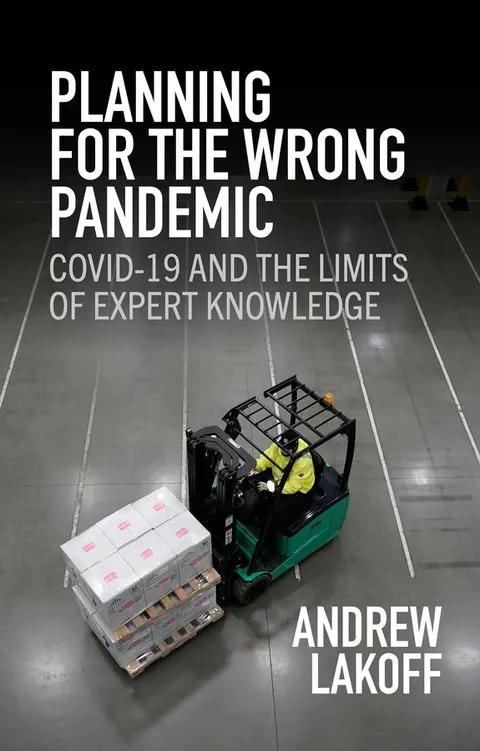
The fractious and disorganized governmental response to the coronavirus pandemic in the United States prompted many observers to ask why the country ‒ which had the knowledge, resources, and plans to deal with such an event ‒ was caught so unprepared when the crisis struck.
In fact, as Andrew Lakoff shows, US officials had been planning for a pandemic for more than two decades, and many of these plans were implemented in the early stages of the pandemic. As authorities responded to the crisis, they relied on an already formulated set of concepts and tools that had been devised for managing a future emergency. These preexisting tools enabled officials to make sense of the event and to rapidly implement policies in response, but they also led to significant blind spots.
What did these planning tools allow officials to see, and what did they hide from view? And, as we assess the failures in our response to the pandemic and attempt to prepare for “the next one,” to what extent should we take for granted the capacity of these tools to guide future interventions effectively?Andrew Lakoff
Andrew Lakoff is Professor of Sociology and Communication at the University of Southern California. He is the author of Pharmaceutical Reason: Knowledge and Value in Global Psychiatry and coeditor of Biosecurity Interventions: Global Health and Security in Question.
More by Andrew Lakoff



Why Readwise Books?
Readwise Books is an ebook & audiobook platform that automatically logs how much you and your friends read, making it fun and easy to read more. Learn more →