Report an issue
Tell us what's wrong and we'll take a look.
Thanks – we got it. We'll review and follow up if needed.
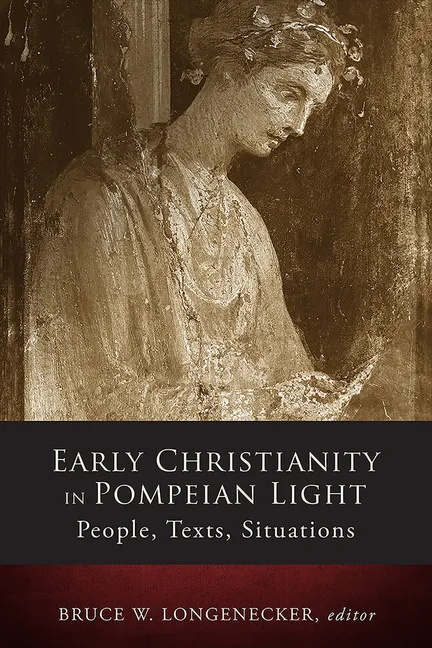
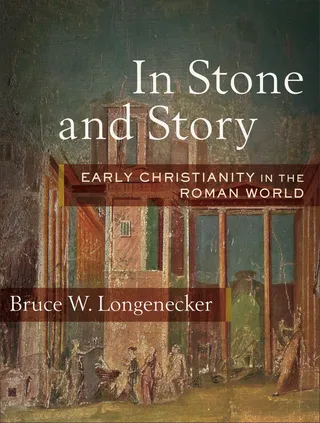
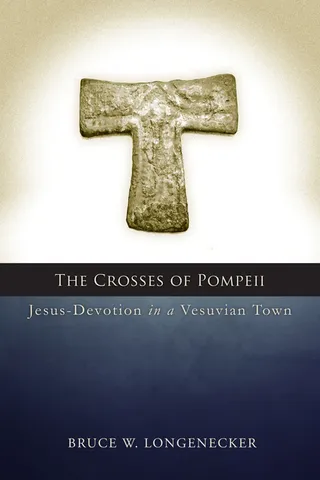
Scholars of early Christianity are awakening to the potential of Pompeiis treasures for casting light on the settings and situations that were commonplace and conventional for the first urban Christians. The uncovered world of Pompeii, destroyed by the eruption of Mount Vesuvius in 79 C.E., allows us to peer back in time, capturing a heightened sense of what life was like on the ground in the first century the very time when the early Jesus-movement was beginning to find its feet. In light of the Vesuvian material remains, historians are beginning to ask fresh questions of early Christian texts and perceive new contours, nuances, and subtleties within the situations those texts address.
The essays of this book explore different dimensions of Pompeiis potential to refine our lenses for interpreting the texts and situations of early Christianity. The contributors to this book (including Carolyn Osiek, David Balch, Peter Oakes, Bruce Longenecker, and others) demonstrate that it is an exciting time to explore the interface between the Vesuvian contexts and the early Jesus-movement.
Bruce W Longenecker
Bruce W. Longenecker (PhD, University of Durham) is Professor of Religion and W. W. Melton Professor of Christian Origins at Baylor University. He has previously taught at the University of St. Andrews, Cambridge University, and the University of Durham. He is the author of several books, including Remember the Poor: Paul, Poverty, and the Greco-Roman World, and The Lost Letters of Pergamum: A Story from the New Testament World.
More by Bruce W Longenecker


Why Readwise Books?
Readwise Books is an ebook & audiobook platform that automatically logs how much you and your friends read, making it fun and easy to read more. Learn more →