Report an issue
Tell us what's wrong and we'll take a look.
Thanks – we got it. We'll review and follow up if needed.
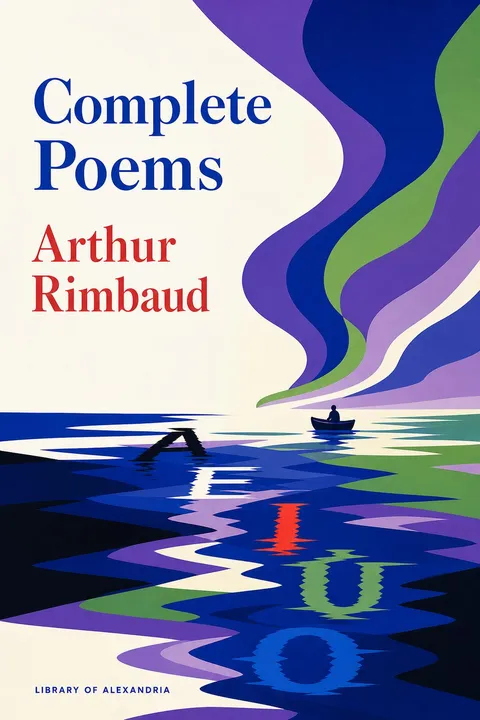
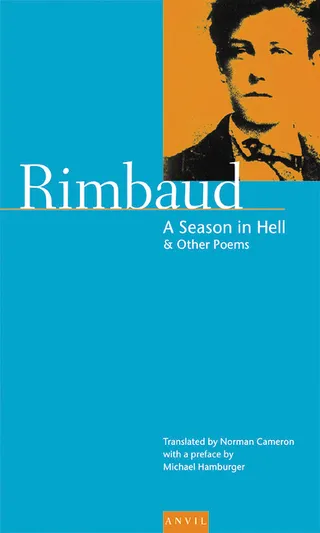
What happens when youthful rebellion becomes a new way of seeing? Arthur Rimbaud's poetry turns desire, outrage, and sensory wonder into images that refuse to settle.
Written largely during his teenage years, Rimbaud's poems move from the pleasures of walking through a summer landscape to fierce attacks on war, social conformity, and religious convention. Tenderness and mockery exist side by side: vulnerable children, wandering youths, complacent officials, and soldiers appear in verse alive with physical detail. His work makes the distance between beauty and disturbance feel unexpectedly small.
In Le Bateau ivre, a boat released from human control journeys through dazzling, hallucinatory waters before longing for something smaller and more familiar. In Voyelles, vowels take on colors, opening language to surprising connections between sound and sight. These experiments helped make Rimbaud a central figure for readers of French Symbolism and later experimental poetry. His lasting appeal lies not only in rebellion, but in the precision and energy with which he makes an unfamiliar world appear.
What readers find inside:
- Visionary journeys - Le Bateau ivre explores the exhilaration and exhaustion of drifting beyond ordinary limits.
- Color and sound - Voyelles imagines vowels through a vivid sequence of sensory associations.
- Youthful longing - Poems of wandering, desire, and landscape give adolescent experience an immediate physical presence.
- Social defiance - Satire and anger challenge complacency, religious authority, and the suffering caused by war.
- Tender observation - Images of childhood and vulnerability reveal a quieter counterpoint to the poems' fierce provocations.
For readers of French literature, lovers of sensory and experimental verse, and anyone drawn to the restless intensity of youth, these poems offer language worth lingering over and returning to.
Step into Rimbaud's shifting landscapes and discover how much a poem can make you see.








Why Readwise Books?
Readwise Books is an ebook & audiobook platform that automatically logs how much you and your friends read, making it fun and easy to read more. Learn more →