Report an issue
Tell us what's wrong and we'll take a look.
Thanks – we got it. We'll review and follow up if needed.
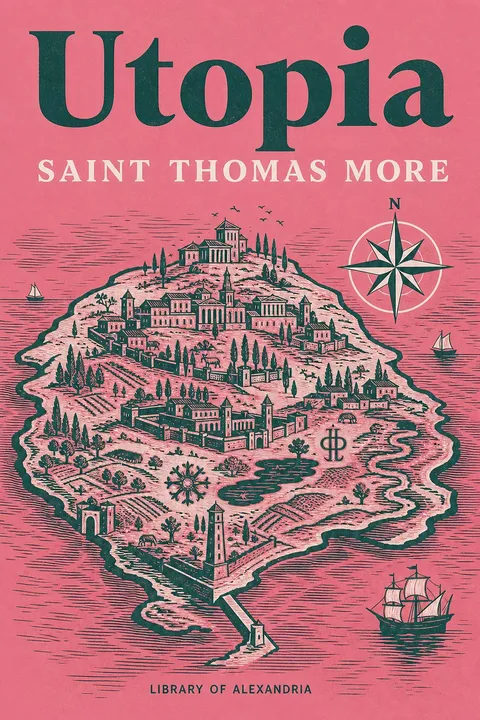
What would a society look like if the common good mattered more than private wealth? And what might its pursuit demand of the people who live there?
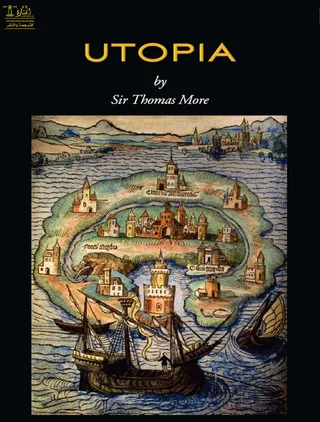
First published in 1516, Thomas More's Utopia combines political philosophy, social satire, and an imagined traveler's tale. Through the account of Raphael Hythloday, More introduces an island commonwealth organized around shared property, purposeful labor, education, and carefully regulated civic life. Its customs offer a provocative contrast to the poverty, punishment, and hunger for wealth debated in the book's European setting.
Yet this is no simple instruction manual for a perfect world. Dialogue, irony, and unsettling details keep the island's virtues open to question. Religious toleration exists alongside limits on belief, while communal prosperity comes with strict controls and the institution of slavery. The tension between humane ambition and coercive order gives Utopia its enduring force: it asks not only how society could change, but how confidently anyone can prescribe the good life for others.
What readers find inside:
- Property and Poverty - A debate over private ownership examines the relationship between wealth, deprivation, and justice.
- Work and Learning - The island's arrangements for labor and education invite reflection on how people should spend their lives.
- Law and Punishment - Criticism of harsh penalties raises questions about crime and the conditions that produce it.
- Faith and Civic Order - Religious diversity tests the possibilities and boundaries of toleration.
- The Ideal Under Scrutiny - Satire and dialogue leave readers to weigh the commonwealth's achievements against its troubling demands.
For readers of classic political thought, Renaissance literature, and speculative societies, this short work offers a rich starting point for discussion about equality, authority, and the common good.
Enter More's imagined island and decide which of its questions speak most urgently to your own world.
Thomas More
Sir Thomas More (1478-1535) was a counsellor to Henry VIII of England and a revered Renaissance humanist scholar. He was executed for refusing to acknowledge the king as head of the Church of England and was eventually canonized by the Catholic Church as a result.
More by Thomas More







Why Readwise Books?
Readwise Books is an ebook & audiobook platform that automatically logs how much you and your friends read, making it fun and easy to read more. Learn more →