Report an issue
Tell us what's wrong and we'll take a look.
Thanks – we got it. We'll review and follow up if needed.
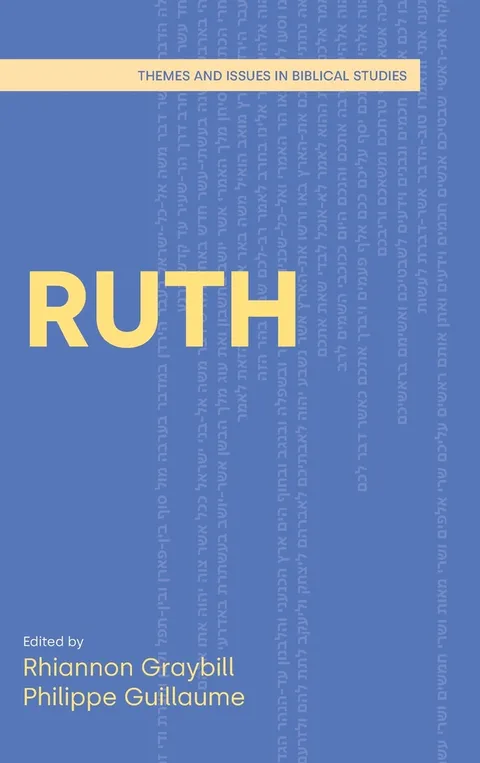
The Book of Ruth is an all-time Bible favorite. In four chapters, it builds a clear plot with narrative tension heightened with sexual innuendos; and it ends well. Since the 1990s at least, studies produced an array of portrayals of the heroes of the tale beyond the traditional idyllic readings. Gaps and fissures have been explored to cover its ideological premises. Feminist readings denounce the way patriarchalism used the figures of Naomi, Ruth and Boaz to bolster its social hegemony. Ruth has been presented as a coquette, Naomi as a pimp or a scold, Ruth and Naomi as lesbians, Boaz as exploiter of the proletariat, unstraight, sugar Daddy or impotent. Yet, time is ripe to steer a course between idyllic readings and critical ones. There is more to gender asymmetries and patriarchy than the devaluation of women. Women always have power. Neither Naomi or Ruth are powerless victims. This volume maps an uncompromising way forward between patriarchy and advocacy.
Rhiannon Graybill
Rhiannon Graybill is Marcus M. and Carole M. Weinstein & Gilbert M. and Fannie S. Rosenthal Chair of Jewish Studies and Professor of Religious Studies at the University of Richmond, USA
Philippe Guillaume
Philippe Guillaume is Privatdozent at the Biblical Institute of the Theological Faculty of the University of Berne.


Why Readwise Books?
Readwise Books is an ebook & audiobook platform that automatically logs how much you and your friends read, making it fun and easy to read more. Learn more →