Report an issue
Tell us what's wrong and we'll take a look.
Thanks – we got it. We'll review and follow up if needed.
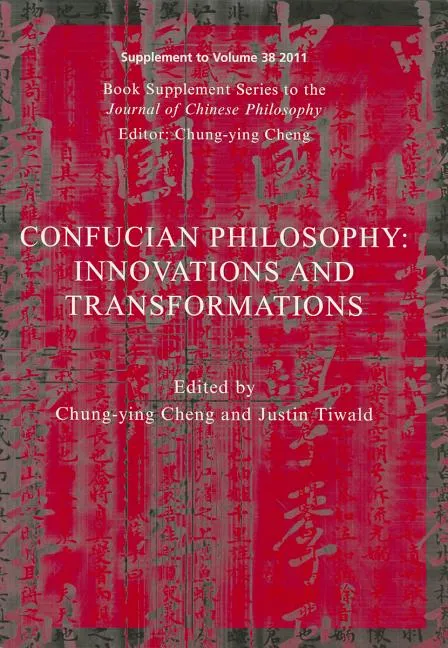
In Chinese tradition Confucianism has been always both
a philosophy of moral self-cultivation for the human individual and an
ideological guide for political institutional policy and governmental action.
After the May 4th Movement of 1919 (WusiYundong ),
Confucianism lost much of its moral appeal and political authority and entered a
kind of limbo, bearing blame for the backwardness and weakening of China. Now that China has asserted its political rights among world nations, it seems natural to ask whether Confucianism as a
philosophy has a modern or even postmodern role to play for building modern China and for enlightening the world. This question is even more meaningful in light of the fact that there is a genuine need felt in China
for a return to its Confucian heritage and vision for purposes of sustaining societal harmonization and reconstructing
cultural identity in the modern world.
Chung-Ying Cheng
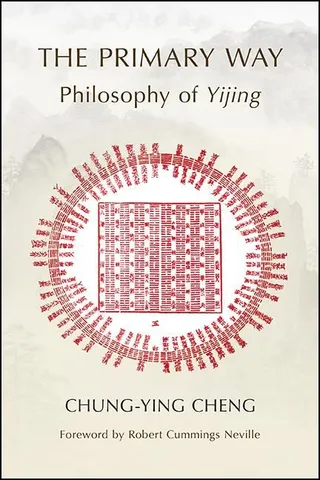
Chung-ying Cheng is Professor of Philosophy at the University of Hawai'i. His many books include New Dimensions of Confucian and Neo-Confucian Philosophy and The Primary Way: Philosophy of Yijing, both also published by SUNY Press.
More by Chung-Ying Cheng


Why Readwise Books?
Readwise Books is an ebook & audiobook platform that automatically logs how much you and your friends read, making it fun and easy to read more. Learn more →