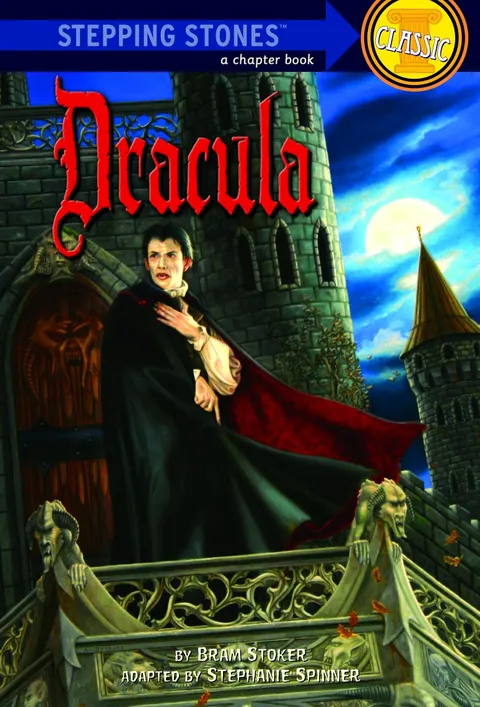
Dracula
Report an issue
Tell us what's wrong and we'll take a look.
Thanks – we got it. We'll review and follow up if needed.
Since its publication in 1897, Dracula has enthralled generation after generation of readers with the same spellbinding power with which Count Dracula enthralls his victims. Though Bram Stoker did not invent vampires, and in fact based his character’s life-in-death on extensive research in European folklore, his novel elevated the nocturnal creature to iconic stature, spawning a genre of stories and movies that flourishes to this day. But a century of imitations has done nothing to diminish the power of Stoker’s tale. As his chilling, suave monster stalks his prey from a crumbling castle in the Carpathian Mountains of Transylvania to an insane asylum in England to the bedrooms of his swooning female victims, the drama is infused with a more and more exquisite measure of sensuality and suspense.
Dracula is a classic of Gothic horror, an undying wellspring of modern mythology, and an irresistible entertainment.
Bram Stoker
Abraham Stoker was born near Dublin in 1847. He was virtually bedridden with an unidentified illness until the age of seven. After graduating from Trinity College, he followed his father into a career as a civil servant in Dublin castle, writing journalism and short stories in his spare time. In 1876 he met the actor Henry Irving and two years later became manager of Irving's Lyceum Theatre in London. Through Oscar Wilde's parents, Stoker met his wife Florence Balcombe. He wrote many books of which only Dracula (1897) is widely remembered. He died in 1912.
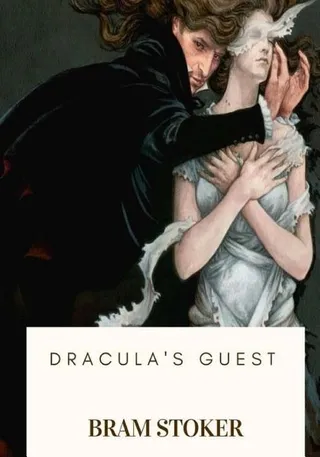
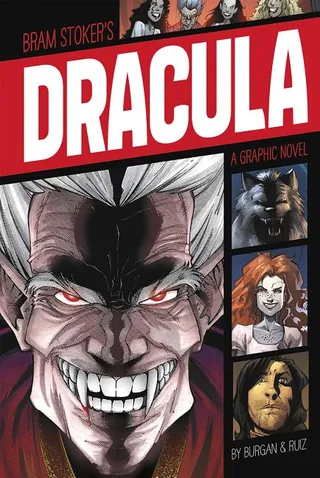
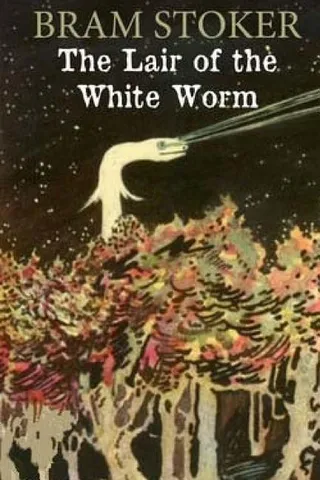
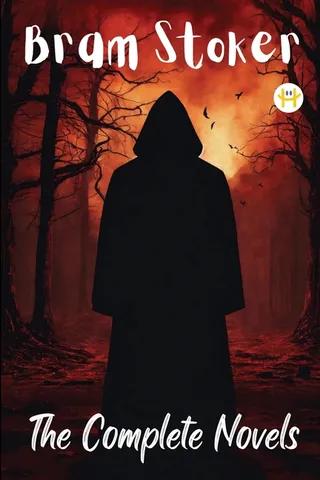
More by Bram Stoker


Why Readwise Books?
Readwise Books is an ebook & audiobook platform that automatically logs how much you and your friends read, making it fun and easy to read more. Learn more →