Report an issue
Tell us what's wrong and we'll take a look.
Thanks – we got it. We'll review and follow up if needed.
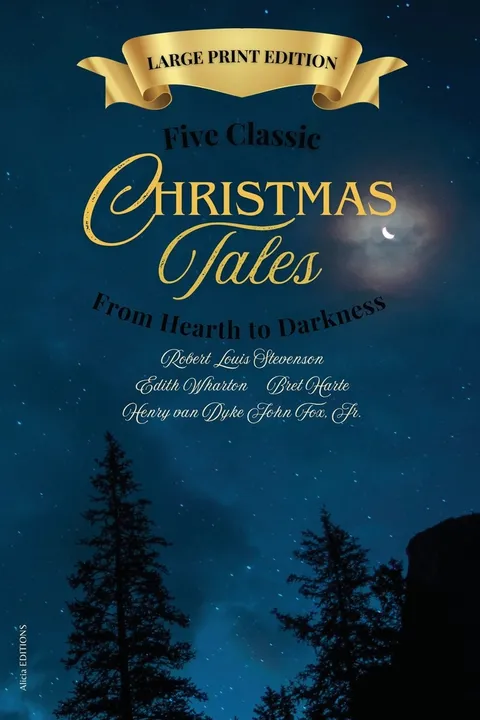
Featuring:
The First Christmas Tree by Henry Van Dyke - A forest miracle becomes the symbol of faith and light.
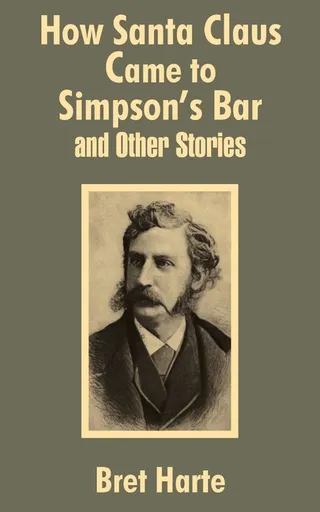
How Santa Claus Came to Simpson's Bar by Bret Harte - A group of rough miners give a sick child a Christmas to remember.
Christmas Night with Satan by John Fox Jr. - A sharp, unsettling dialogue with the Devil on Christmas Eve.
Markheim by Robert Louis Stevenson - A murderer's night of reckoning and redemption.
The Triumph of Night by Edith Wharton - A ghostly warning in a snowbound house.
A collection of timeless holiday tales blending warmth, mystery, and the uncanny.
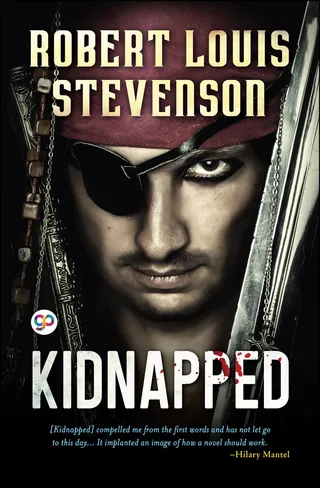
Robert Louis Stevenson
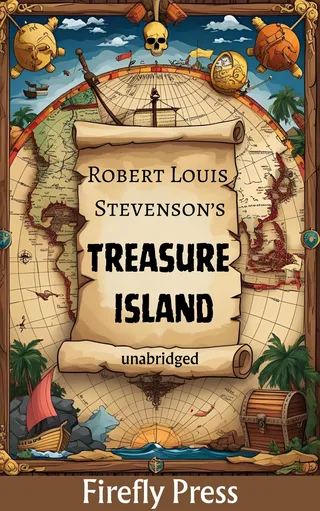
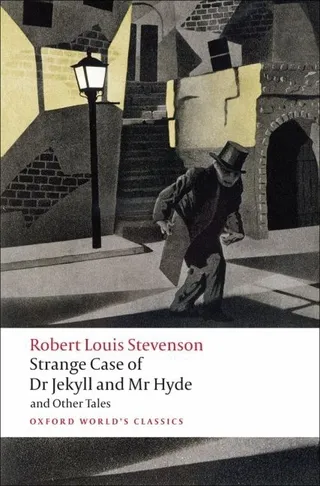
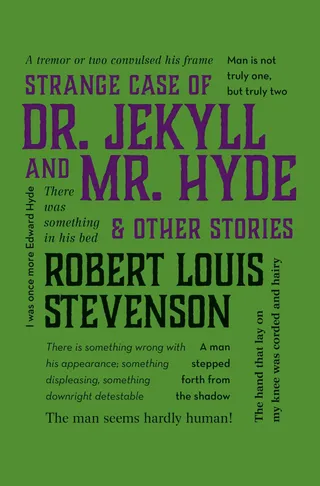
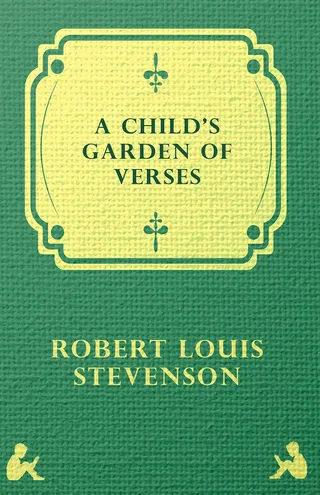
Robert Louis Stevenson was born in Edinburgh in 1850, the only son of an engineer, Thomas Stevenson. Despite a lifetime of poor health, Stevenson was a keen traveller, and his first book An Inland Voyage (1878) recounted a canoe tour of France and Belgium. In 1880, he married an American divorcee, Fanny Osbourne, and there followed Stevenson's most productive period, in which he wrote, amongst other books, Treasure Island (1883), The Strange Case of Dr Jekyll and Mr Hyde, and Kidnapped (both 1886). In 1888, Stevenson left Britain in search of a more salubrious climate, settling in Samoa, where he died in 1894.
More by Robert Louis Stevenson
Edith Wharton
Edith Wharton (1862-1937) was born into a distinguished New York family and was educated privately in the United States and abroad. Among her best-known work is Ethan Frome (1911), which is considered her greatest tragic story, The House of Mirth (1905), and The Age of Innocence (1920), for which she was awarded the Pulitzer Prize.
More by Edith Wharton





Why Readwise Books?
Readwise Books is an ebook & audiobook platform that automatically logs how much you and your friends read, making it fun and easy to read more. Learn more →