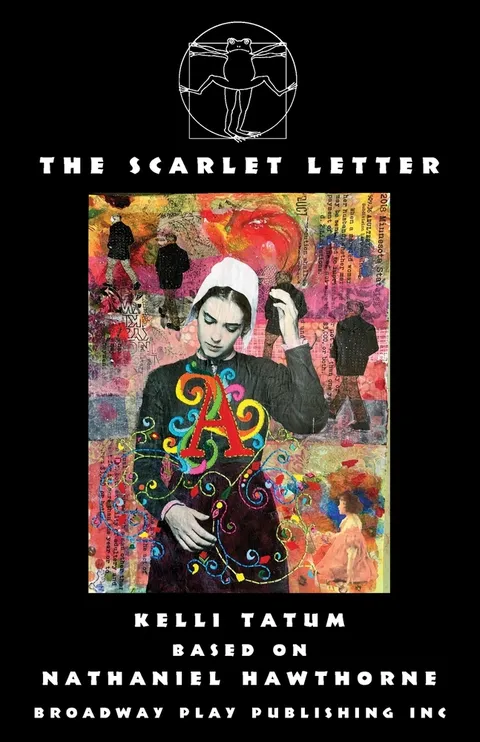
The Scarlet Letter
Report an issue
Tell us what's wrong and we'll take a look.
Thanks – we got it. We'll review and follow up if needed.
In today's world of reduced privacy, increased bullying, intensified peer pressure, and the pursuit of notoriety, toxic societal pressures are everywhere. Yet these same themes were central to Nathaniel Hawthorne's classic The Scarlet Letter, set in the 17th century. This adaptation offers a bold contemporary lens through which to view Hawthorne's story, connecting its enduring concerns to today's post-digital, hyper-connected culture. It explores shame and accountability - both individual and communal - while asking: How often does our society become Puritanical, convicting people in the court of public opinion? As the accused, does one choose bitterness or transformation? How do communities heal from moral panic, fear, and judgment? While the plot centers on Hester, this adaptation also closely examines the men and women of the community - their fears, transgressions, shame, and choices - revealing a story as urgently relevant now as it was in Hawthorne's time.
Nathaniel Hawthorne
Born in 1804, Nathaniel Hawthorne is known for his historical tales and novels about American colonial society. After publishing The Scarlet Letter in 1850, its status as an instant bestseller allowed him to earn a living as a novelist. Full of dark romanticism, psychological complexity, symbolism, and cautionary tales, his work is still popular today. He has earned a place in history as one of the most distinguished American writers of the nineteenth century.


Why Readwise Books?
Readwise Books is an ebook & audiobook platform that automatically logs how much you and your friends read, making it fun and easy to read more. Learn more →