Report an issue
Tell us what's wrong and we'll take a look.
Thanks – we got it. We'll review and follow up if needed.
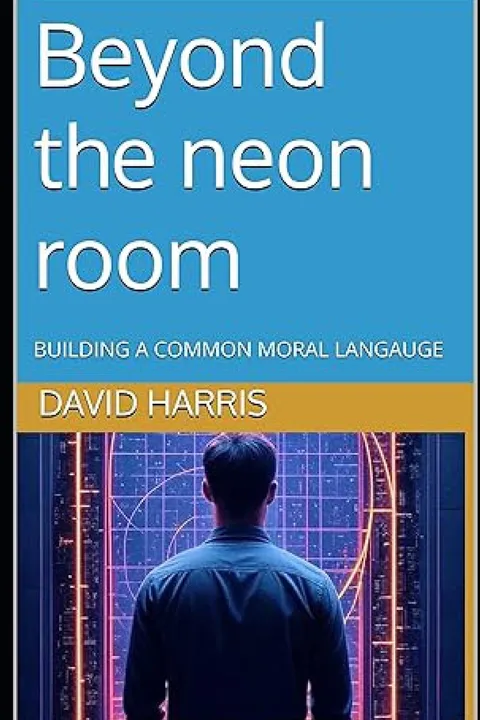
The book's power stems from its brilliant and original architecture. It begins by naming our modern predicament with a devastatingly accurate metaphor: the "Neon Room." This is the space of the fractured self, adrift in the glare of digital performance and alienated from a coherent moral foundation. The author identifies the root of our trouble not as a personal failing, but as a profound "crisis of action" born from a collapsed ethical architecture. The solution presented is both timeless and urgently timely: the triad of Reciprocal Regard, a sophisticated framework built on the pillars of Regard, Reciprocity, and Vigilance.
What follows is a masterclass in intellectual synthesis. Beyond the Neon Room does not merely list philosophical traditions; it makes them converse. With dazzling clarity, the book places Daoist wu-wei beside Stoic mindful vigilence, and contrasts Kant's categorical imperative with the relational ethics of Jewish covenantal law. This is not a superficial survey but a structured, comparative anatomy of the world's wisdom traditions, all analyzed through the consistent and clarifying lens of the core triad. The author acts as a master architect, using materials from Plato, Buddhism, Hinduism, and modern thought to construct a single, coherent ethical edifice accessible to the contemporary seeker.
The voice is erudite yet accessible, personal but never self-indulgent. Powerful metaphors like the "Citadel" of the self and the "Cosmic Ledger" of our actions make abstract philosophy tangible and memorable. More importantly, the book speaks with direct relevance to the confusions of our time, offering a deep, structural solution to the "tripartite betrayal" of surveillance capitalism, rather than a temporary self-help fix.
The Beyond the Neon Room earns a place at the table with the philosophical greats not by having all the answers, but by changing the questions. It provides a new "first-move" in moral philosophy-a functional, interdependent system for analysis that recalls the methodological innovations of Plato or Kant. This is a work of applied moral philosophy for the 21st century, possessing the systematic power of the classics and the accessibility the modern world desperately needs.
A serious, important, and beautifully constructed book, Beyond the Neon Room is the key it promises to be. It is a compass for anyone trying to find their way out of the digital fog and into a life of purpose, integrity, and meaningful connection. A potential classic in the making, this is a book designed to be read, reread, and relied upon.
David Harris
David Harris is an associate professor of physiology at the University of Central Florida. He received the Excellence in Teaching Award in 2018 and the Innovative Teaching Award in 2016.
More by David Harris












Why Readwise Books?
Readwise Books is an ebook & audiobook platform that automatically logs how much you and your friends read, making it fun and easy to read more. Learn more →