Report an issue
Tell us what's wrong and we'll take a look.
Thanks – we got it. We'll review and follow up if needed.
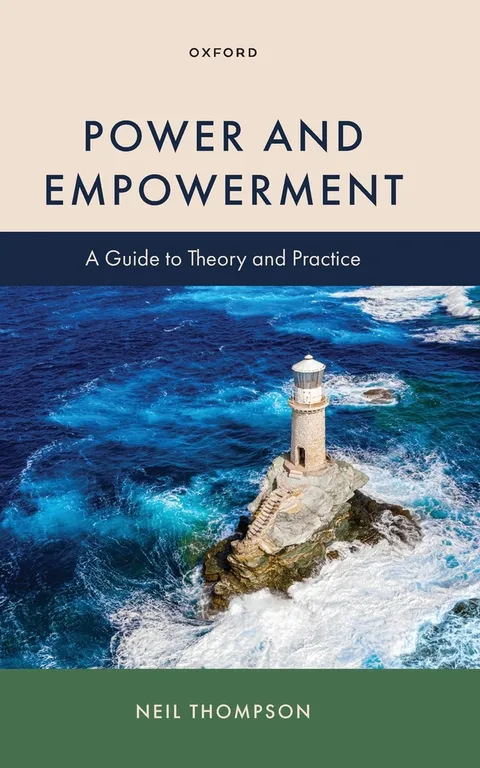
The book is built around the recognition that reductionism^--^the tendency to oversimplify complex phenomena^--^represents one of the most significant dangers in both thinking and practice when it comes to power. Drawing on existentialist and sociological traditions, it develops a sophisticated analytical framework that takes seriously the full complexity of power in human social life, without losing sight of the practical implications for those working with people.
Organized in three parts, Power and Empowerment first develops the theoretical base, introducing key frameworks including PCS analysis (which examines power at personal, cultural and structural levels) and the SPIDER framework (Structures, Processes, Institutions, Discourses, Expectations, Relations). It then explores how these ideas translate into practice ^--^addressing language, partnership, co-production, professionalism and authentic leadership. The third part examines discrimination and oppression, covering gender, race and ethnicity, age, disability, sexual and gender identity, religion, class and poverty, and abuse.
What sets Power and Empowerment apart is its refusal to offer easy answers while still providing clear, practical guidance. It resists both defeatism and overoptimism, arguing that significant change is achievable through sustained, informed commitment. This makes it an essential resource for practitioners, managers, educators and students across all the fields where effective engagement with people matters and where there is a commitment to anti-discriminatory practice and the promotion of social justice.


Why Readwise Books?
Readwise Books is an ebook & audiobook platform that automatically logs how much you and your friends read, making it fun and easy to read more. Learn more →