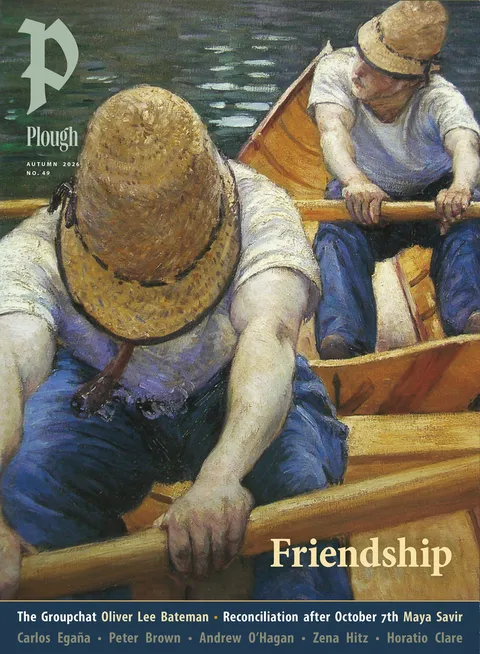
Plough Quarterly No. 49 - Friendship
Report an issue
Tell us what's wrong and we'll take a look.
Thanks – we got it. We'll review and follow up if needed.
Without friends, says Aristotle, no one would choose to live. The greatest love a person can show another, says Jesus, is to choose to die for friend. Ancient and medieval writers extol ideal friendship as a path to virtue and a sign of new Christians' total transformation. Headlines warn of a loneliness crisis. How can friendship be rediscovered as an important social good that brings meaning to life and cohesion to society? The authors in this issue tell of connections with peers and strangers, soulmates and political enemies, showing how in the Christian vision true friendship is a gift one can both die for and live for.
On this theme:
Oliver Lee Bateman explains the appeal of the guys' group chat.
Carlos Egaña remembers friends who fell victim to Maduro's regime in Venezuela.
Erik Van Aken was saved by his best friend - a dog named Sam.
Alastair Roberts shows how Jesus redefined, and universalized, classical friendship ideals.
Peter Brown and Margarita Mooney Clayton discuss Augustine's vision of friendship.
Maya Savir asserts that peace between Israelis and Palestinians is possible.
For a picture of friendship with God, says Cambria Kaltwasser, look to Arnold Lobel's Frog and Toad.
John and Polly Snider recount their four decades of friendship with the man who became Pope Leo XIV.
Emmarae R. Blum tells of the dying friend who led her to Christ.
The Cappadoccian Fathers, says Oliver B. Langworthy, shared a friendship with space for disagreement.
Joy Marie Clarkson interviews a professor and her formerly incarcerated student who have become good friends.
Peter Mommsen tells how friendship with a Vietnam War veteran changed him and his family.
Also in the Issue:
Zena Hitz shows why Edith Stein should still be read today.
Savor the poems that won Plough's sixth Rhina P. Espaillat Poetry Award.
Horatio Clare meets the intrepid volunteers of the Royal National Lifeboat Institution.
Plough Quarterly features stories, ideas, and culture for people eager to apply their faith to the challenges we face. Each issue includes in-depth articles, interviews, poetry, book reviews, and art.
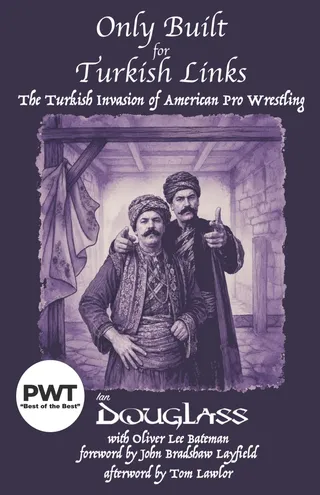
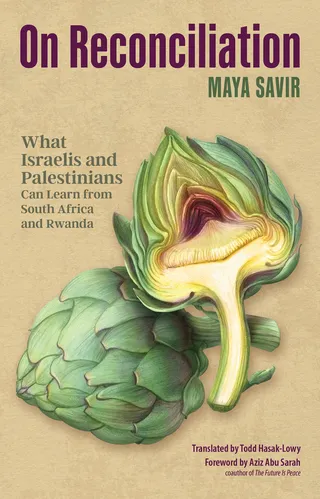
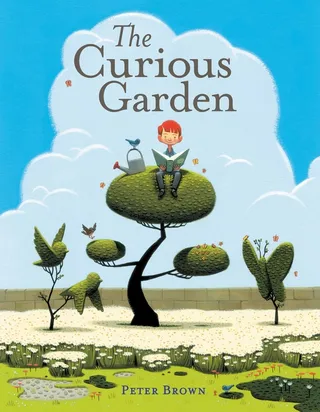
Peter Brown
Peter J. Brown teaches at Emory University. He is a professor in the Department of Anthropology, Emory College of Arts and Sciences and also a professor in the Hubert Department of Global Health, Rollins School of Public Health. He serves as the Director of Emory's Center for Health, Culture and Society. He has co-edited: The Anthropology of Infectious Diseases; Emerging Illnesses and Society: Negotiating the Public Health Agenda; Applying Anthropology (9th edition); and Applying Cultural Anthropology (8th edition). His research primarily deals with sociocultural aspects of malaria and its control, and he serves on a malaria-related Scientific Advisory Committee for the World Health Organization. He has an additional research interest on cultural issues in obesity and its related chronic diseases. Recipient of several teaching awards, he is a director of a new program "Global Health, Culture and Society" at Emory College.
More by Peter Brown









Why Readwise Books?
Readwise Books is an ebook & audiobook platform that automatically logs how much you and your friends read, making it fun and easy to read more. Learn more →