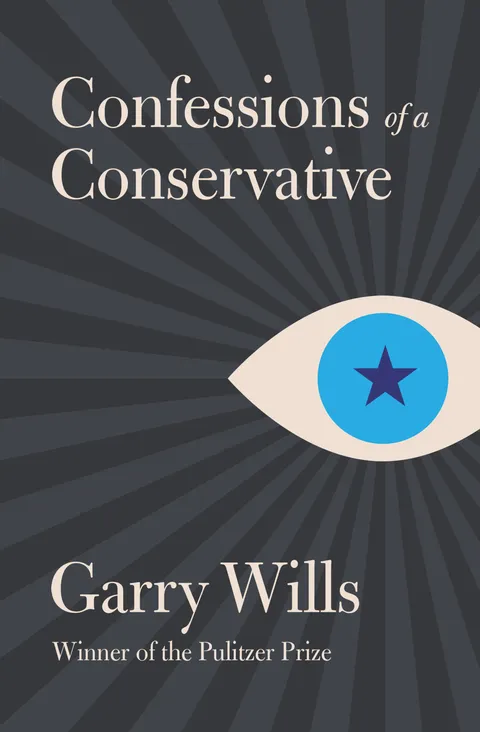
Confessions of a Conservative
Report an issue
Tell us what's wrong and we'll take a look.
Thanks – we got it. We'll review and follow up if needed.
The Pulitzer Prize–winning author surveys his intellectual development, as well as the state of the American political system, in the 1960s and '70s. "In his Confessions, Wills ranges from Jack Ruby to Cardinal Newman, from Everett Dirksen's Washington to St. Augustine's City of God. The pace is brisk, the intellectual hurdles high, the glimpses of autobiography charming." —Time In the late 1950s, Garry Wills was pursuing a master's degree when he submitted an article to William F. Buckley Jr.'s National Review, a conservative political magazine. Buckley was so impressed that he offered Wills a job and asked the young man if he was conservative. At the time, Wills thought of himself as a distributist. He eventually would identify as conservative, but the stories he covered over the decades pushed him to reevaluate his beliefs. By the end of the 1960s, he parted ways with Buckley and National Review and headed for independent journalism. In 1979, he wrote Confessions of a Conservative, looking back on his ideological development while analyzing the era's shifts in the political landscape. He discusses his beginnings at National Review and his friendships with conservative zealots like Buckley, as well as Willmoore Kendall Jr. and Frank S. Meyer. He reflects on the civil rights movement, the protests of the Vietnam War, and the assassinations of Martin Luther King Jr. and President Kennedy. He also examines how the US government works versus how it should work, regarding such topics as the electoral process and regulatory agencies. Part memoir, part historical rumination, Confessions of a Conservative is one man's intellectual inventory of his life to that point, recounting the influential people and events he witnessed and how they shaped his beliefs.
Garry Wills
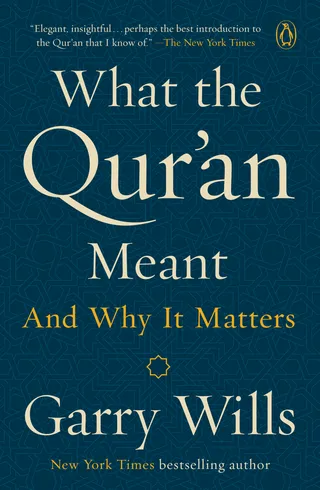
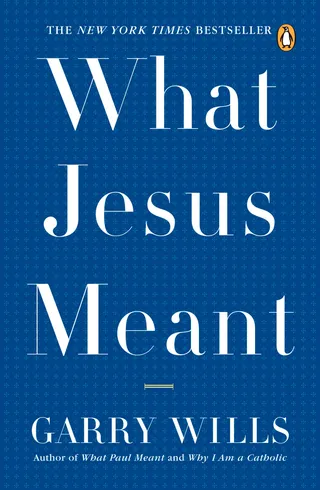
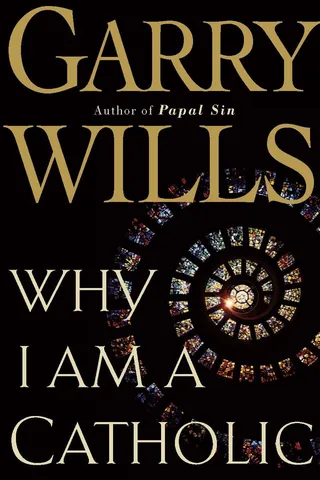
Garry Wills is an adjunct professor and cultural historian in the Department of History at Northwestern University. He has written many acclaimed works on religion and on American history, including Lincoln at Gettysburg, for which he received the Pulitzer Prize; Cincinnatus: George Washington and the Enlightenment; and the New York Times bestsellers What Jesus Meant and Why I Am a Catholic. A frequent contributor to the New York Review of Books and other publications, he studied for the priesthood and took his doctorate in the classics.
More by Garry Wills


Why Readwise Books?
Readwise Books is an ebook & audiobook platform that automatically logs how much you and your friends read, making it fun and easy to read more. Learn more →