Report an issue
Tell us what's wrong and we'll take a look.
Thanks – we got it. We'll review and follow up if needed.
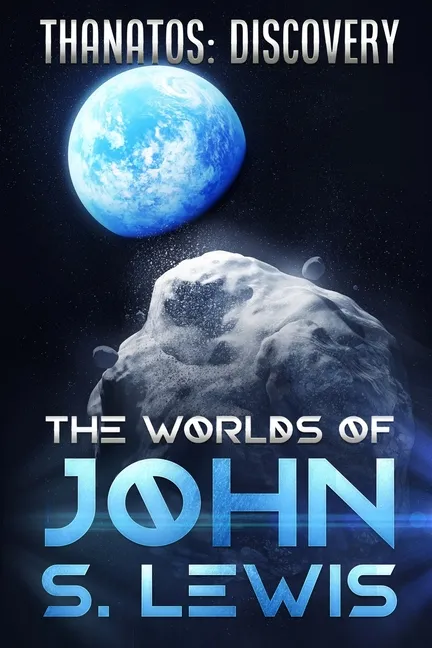
1871. Steven Dawes revels in learning. Already an avid scholar, his mind is endlessly intrigued by the new information and passionate discussions fostered at his university. But his future takes a sudden turn when a German lecturer announces a large asteroid is tracking to collide with Earth.
Fighting political resistance and the lack of long-range communication, Steven reaches out to fellow scientists in observatories around the globe. And as he wrestles with the complex celestial data they compile, the dedicated astronomer fears cataclysmic destruction is assured...
Can Steven overcome technological deficiencies and warring nations to save the planet from an apocalypse?
In this epic story of what might have been, the world of the late nineteenth and early twentieth centuries grapples with an unthinkable quandary, pushing the boundaries of human understanding. Internationally well-known researcher John S. Lewis marries real science with iconic historical figures such as Albert Einstein, Woodrow Wilson, and Robert Goddard for a thrilling intersection of truth and imagination.
Thanatos: Discovery is the page-turning first part of this two-part alternate history science fiction saga. It is a portion of The Worlds of John S. Lewis series. If you like engrossing philosophical discourse, ticking time bombs, and stories grounded in fact, then you'll love this hard-hitting exploration of a possible past.
Buy Thanatos: Discovery to race toward another side of the future today!
John S Lewis
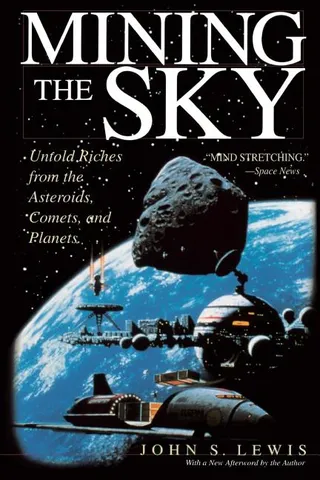
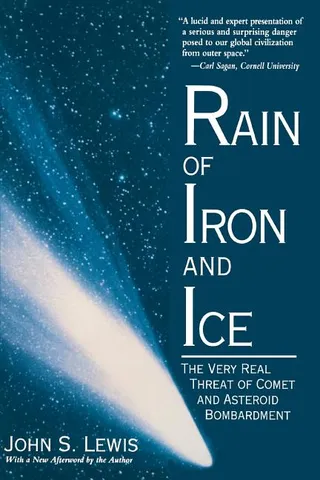
John S. Lewis is Professor of Planetary Sciences and Co-Director of the Space Engineering Research Center of the University of Arizona, has concentrated in recent years on the material and energy resources of nearby space and on the hazards and opportunities presented to mankind by the Near-Earth Asteroids. He is a former Professor of Planetary Sciences and Chemistry at MIT and a Visiting Professor at Cal Tech. He has served as Chairman of a number of international conferences on space science and space development. His contributions to planetary science include the first prediction of coloring matter in the atmosphere of Jupiter. He is also the author of several popular science books, including Rain of Iron and Ice, a popular account of the impact hazard, and Mining the Sky, a survey of resource opportunities in space and their relevance to economic, resource, and environmental issues on Earth. He is also the editor of a 1000-page technical volume, Resources of Near-Earth Space. He has served as a member of the Board of Directors of American Rocket Company, and is presently an advisor to the Space Development Corporation's Near-Earth Asteroid Prospector (NEAP) mission.
More by John S Lewis


Why Readwise Books?
Readwise Books is an ebook & audiobook platform that automatically logs how much you and your friends read, making it fun and easy to read more. Learn more →