Report an issue
Tell us what's wrong and we'll take a look.
Thanks – we got it. We'll review and follow up if needed.
Additionally, this section contains facts and information regarding blue, white, Indian, and green peacocks.
The book is written in an easy-to-understand format and is based on years of experience with peacock keeping.
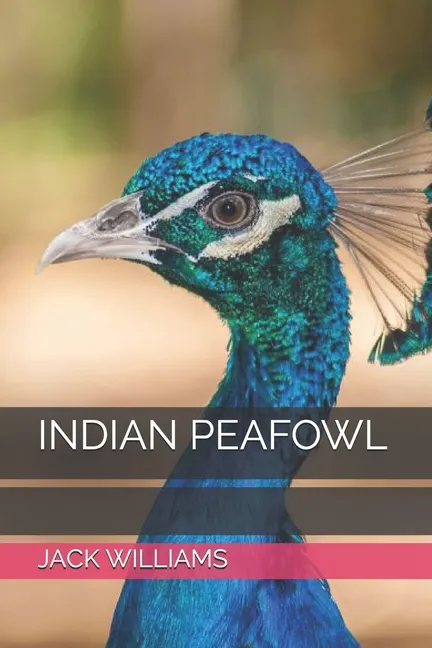
The Indian peafowl are animal varieties in a gathering of fowls called birds. The peacock is the name regularly utilized for the type of birds referred to as peafowl. Starting in the wild, peafowl have been tamed for millennia.
The guys are called peacocks, while the females are called peahens. Together, they are peafowl. Peafowl are among the biggest of all fowls that fly. (Ostriches, emus, and other such winged animals are greater, yet can't fly.)
The wonderful quills that cover the tails of a peacock are 5 feet (1.5 meters) long-longer than the fledgling's body-and can be shown in a marvelous devotee of splendid tones.
These long plumes really develop from the fowl's back not the tail. He lifts them by raising them a lot. Peahens are duller than their male partners, with generally earthy colored on their back with a white paunch. Females don't have long tail quills; however they do have a peak on their head and green neck plumes. Indian peafowl are local to India and Sri Lanka,
in South Asia. They've been acquainted with different nations, as shown in parks, zoos, or as homegrown pets. The head and assemblage of grown-up peafowl range from 3 to 4 feet in length and their tail can be 5 feet in length.













Why Readwise Books?
Readwise Books is an ebook & audiobook platform that automatically logs how much you and your friends read, making it fun and easy to read more. Learn more →