Report an issue
Tell us what's wrong and we'll take a look.
Thanks – we got it. We'll review and follow up if needed.
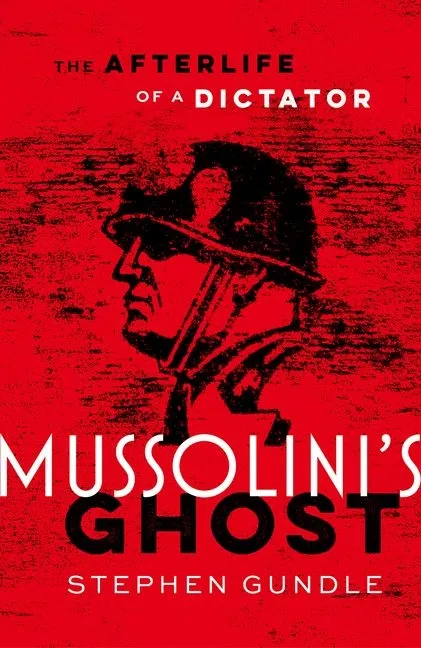
In Mussolini's Ghost Stephen Gundle explores the many aspects of Mussolini's strange afterlife, be it through the fate of his statues and the places that Mussolini was most associated with, his depiction in film and television, his impact on political life, his treatment in public history and his place in popular culture. Gundle argues that the root causes of Il Duce's disturbing persistence lie in the way Italians negotiated the transition from war to peace and from Fascism to democracy. Instead of acknowledging the enthusiastic backing many had given to a criminal dictatorship, many Italians behaved as though Fascism had never really existed. The dictator was instead re-cast as a flawed but well-meaning family man. Thanks to this and other strange reconfigurations, the grip Mussolini established over the popular mind was never properly dismantled. Gundle employs tools of collective psychology to develop a bold new interpretation of the causes of Mussolini's posthumous endurance that makes comparisons with the situation in West Germany. _
Stephen Gundle
Stephen Gundle is professor of film and television studies at the University of Warwick. He is the author of several works of political and cultural history, including Between Hollywood and Moscow: The Italian Communists and the Challenge of Mass Culture, 1943-91, Bellissima: Feminine Beauty and the Idea of Italy, and Glamour: A History, and coauthor of Mass Culture and Italian Society from Fascism to the Cold War.
More by Stephen Gundle













Why Readwise Books?
Readwise Books is an ebook & audiobook platform that automatically logs how much you and your friends read, making it fun and easy to read more. Learn more →