Report an issue
Tell us what's wrong and we'll take a look.
Thanks – we got it. We'll review and follow up if needed.
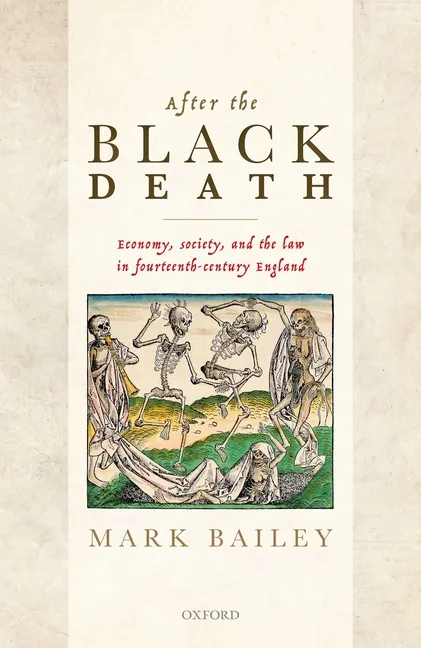
After the Black Death reassesses the established scholarship on the impact of plague on fourteenth-century England and draws upon original research into primary sources to offer a major re-interpretation of the subject. It studies how the government reacted to the crisis, and how communities adapted in its wake. It places the pandemic within the wider context of extreme weather and epidemiological events, the institutional framework of markets and serfdom, and the role of law in reducing risks and conditioning behaviour. The government's response to the Black Death is reconsidered in order to cast new light on the Peasants' Revolt of 1381.
By 1400, the effects of plague had resulted in major changes to the structure of society and the economy, creating the pre-conditions for England's role in the Little Divergence (whereby economic performance in parts of north western Europe began to move decisively ahead of the rest of the continent). After the Black Death explores in detail how a major pandemic transformed society, and, in doing so, elevates the third quarter of the fourteenth century from a little-understood paradox to a critical period of profound and irreversible change in English and global history.







Why Readwise Books?
Readwise Books is an ebook & audiobook platform that automatically logs how much you and your friends read, making it fun and easy to read more. Learn more →