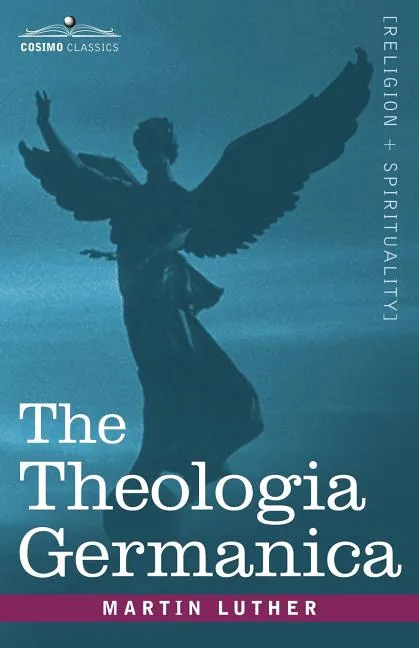
The Theologia Germanica
Report an issue
Tell us what's wrong and we'll take a look.
Thanks – we got it. We'll review and follow up if needed.
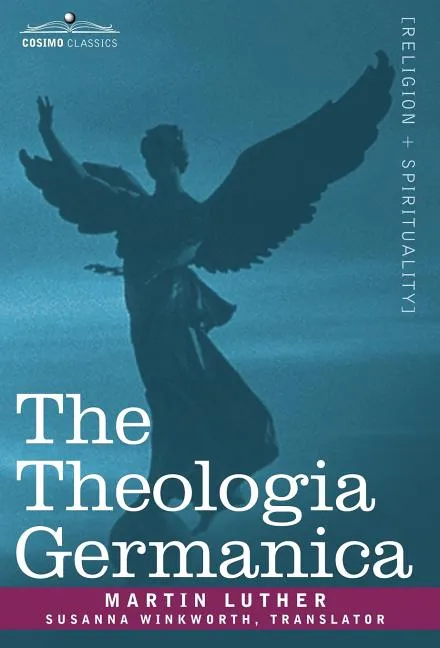
First discovered by Martin Luther, Theologia Germanica was originally published in 1516. This reprint of the 1893 edition was translated by British scholar SUSANNE WINKWORTH (1820-1884). A departure from many Christian writings of the period, this work suggests that by following in Christ's path, anyone could be united with God, for the life of Christ is an example of perfection for all to follow. With its discussions of sin and explanations as to how selfishness is the fundamental sin, this classic book will appeal to religions scholars and anyone interested in the Reformation. German theologian and reformer MARTIN LUTHER (1483-1546) argued against many of the common practices of the Roman Catholic Church, including the selling of indulgences and the Church's insistence that it needed to mediate between people and God. Luther's writings were greatly influential in the Protestant Reformation, which forever changed Christianity. He wrote a number of important works, although many consider his translation of the Bible into German to be one of his most important contributions.
Martin Luther
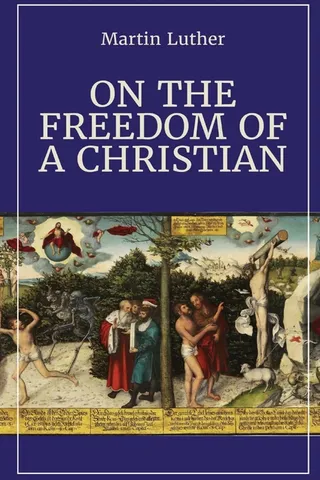
Martin Luther (1483-1546) was a German theologian, priest, professor and religious reformer who played a major role in the Protestant Reformation. He challenged several practices of the Roman Catholic Church, particularly the sale of indulgences, through his famous Ninety-Five Theses, published in 1517. His teachings emphasized salvation through faith, the authority of Scripture and the importance of God's grace. His notable works include The Ninety-Five Theses, The Bondage of the Will, The Freedom of a Christian, The Small Catechism and The Large Catechism.
More by Martin Luther






Why Readwise Books?
Readwise Books is an ebook & audiobook platform that automatically logs how much you and your friends read, making it fun and easy to read more. Learn more →