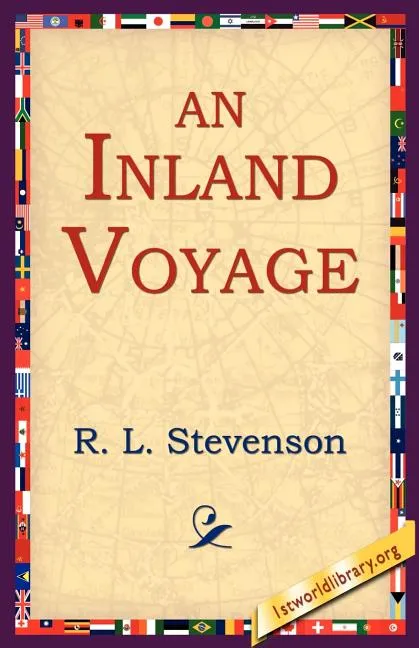
An Inland Voyage
Report an issue
Tell us what's wrong and we'll take a look.
Thanks – we got it. We'll review and follow up if needed.
Purchase one of 1st World Library's Classic Books and help support our free internet library of downloadable eBooks. Visit us online at www.1stWorldLibrary.ORG - - To equip so small a book with a preface is, I am half afraid, to sin against proportion. But a preface is more than an author can resist, for it is the reward of his labours. When the foundation stone is laid, the architect appears with his plans, and struts for an hour before the public eye. So with the writer in his preface: he may have never a word to say, but he must show himself for a moment in the portico, hat in hand, and with an urbane demeanour. It is best, in such circumstances, to represent a delicate shade of manner between humility and superiority: as if the book had been written by some one else, and you had merely run over it and inserted what was good. But for my part I have not yet learned the trick to that perfection; I am not yet able to dissemble the warmth of my sentiments towards a reader; and if I meet him on the threshold, it is to invite him in with country cordiality.
Robert Louis Stevenson
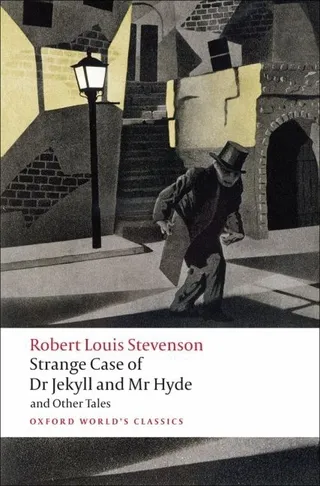
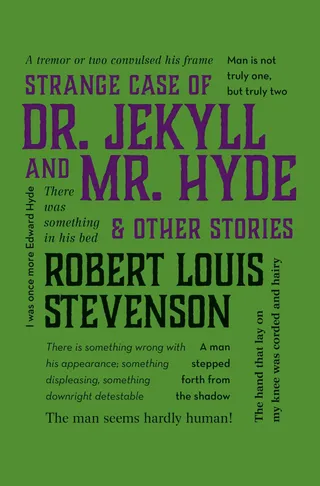
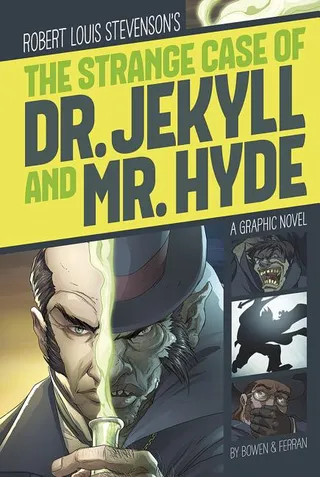
Robert Louis Stevenson was born in Edinburgh in 1850, the only son of an engineer, Thomas Stevenson. Despite a lifetime of poor health, Stevenson was a keen traveller, and his first book An Inland Voyage (1878) recounted a canoe tour of France and Belgium. In 1880, he married an American divorcee, Fanny Osbourne, and there followed Stevenson's most productive period, in which he wrote, amongst other books, Treasure Island (1883), The Strange Case of Dr Jekyll and Mr Hyde, and Kidnapped (both 1886). In 1888, Stevenson left Britain in search of a more salubrious climate, settling in Samoa, where he died in 1894.
More by Robert Louis Stevenson









Why Readwise Books?
Readwise Books is an ebook & audiobook platform that automatically logs how much you and your friends read, making it fun and easy to read more. Learn more →