Report an issue
Tell us what's wrong and we'll take a look.
Thanks – we got it. We'll review and follow up if needed.
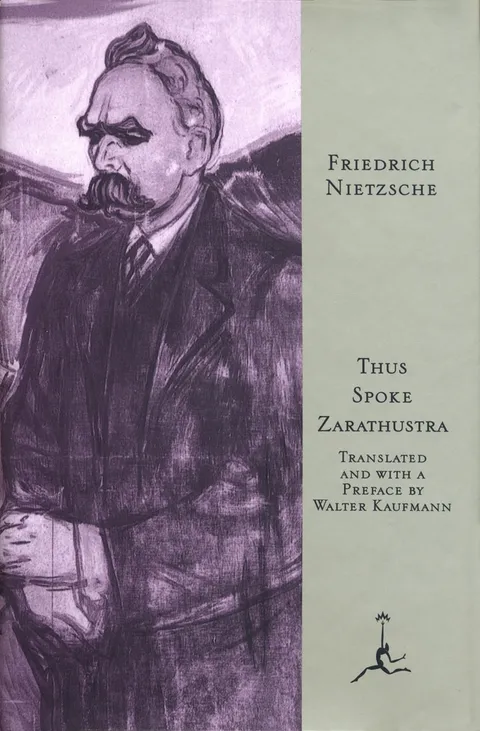
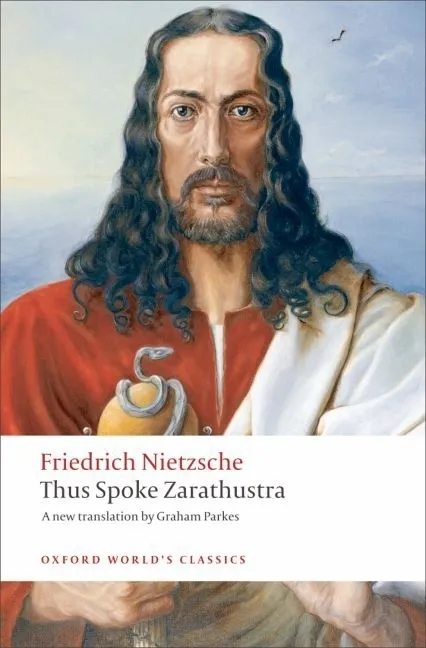
Grahm Parkes's new translation is more accurate than previous versions, and is the first to retain the musicality of the original, by paying attention to the rhythms and cadences of the German. His introduction examines the work's three most important philosophical ideas and for the first time annotates the abundance of allusions to the Bible and other classic texts with which Nietzsche's masterpiece is in conversation.
About the Series: For over 100 years Oxford World's Classics has made available the broadest spectrum of literature from around the globe. Each affordable volume reflects Oxford's commitment to scholarship, providing the most accurate text plus a wealth of other valuable features, including expert introductions by leading authorities, voluminous notes to clarify the text, up-to-date bibliographies for further study, and much more.
Friedrich Nietzsche
Friedrich Nietzsche was a German philosopher and author. Born into a line of Protestant churchman, Nietzsche studied Classical literature and language before becoming a professor at the University of Basel in Switzerland. He became a philosopher after reading Schopenhauer, who suggested that God does not exist, and that life is filled with pain and suffering. Nietzsche’s first work of prominence was The Birth of Tragedy in 1872, which contained new theories regarding the origins of classical Greek culture. From 1883 to 1885 Nietzsche composed his most famous work, Thus Spake Zarathustra, in which he famously proclaimed that “God is dead.” He went on to release several more notable works including Beyond Good and Evil and The Genealogy of Morals, both of which dealt with the origins of moral values. Nietzsche suffered a nervous breakdown in 1889 and passed away in 1900, but not before giving us his most famous quote, “From life's school of war: what does not kill me makes me stronger.”
More by Friedrich Nietzsche















Why Readwise Books?
Readwise Books is an ebook & audiobook platform that automatically logs how much you and your friends read, making it fun and easy to read more. Learn more →