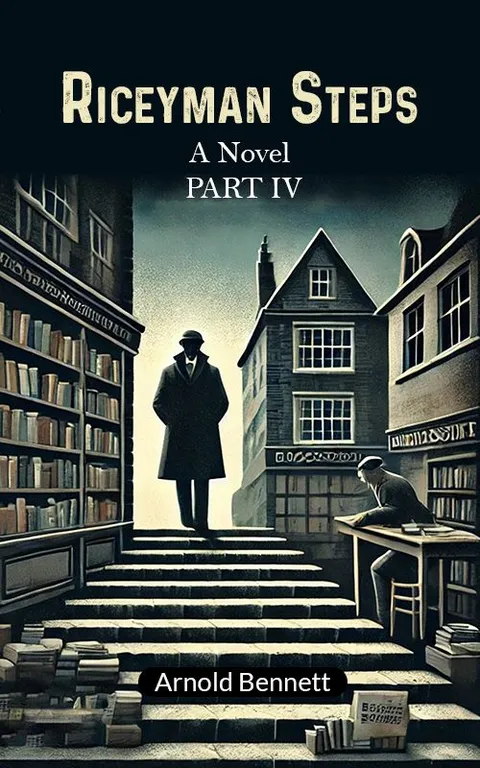
Riceyman Steps A Novel Part IV
Report an issue
Tell us what's wrong and we'll take a look.
Thanks – we got it. We'll review and follow up if needed.
“Riceyman Steps: A Novel Part IV” by Arnold Bennett concludes the detailed exploration of urban life and its profound impact on the characters. This final installment continues to address social issues such as class disparity and economic hardship, providing a thorough depiction of contemporary societal conditions. The narrative focuses on the resolution of character arcs, bringing closure to the complex relationships and personal ambitions that have been developed throughout the novel. As the story progresses, the final outcomes of the characters' aspirations and goals are revealed, offering a satisfying conclusion to their journeys. Family dynamics remain a central theme, with ongoing relationships and interactions further shaping the characters' experiences and personal growth. The impact of economic difficulties continues to influence the characters' lives, illustrating the persistent struggles they face. The novel maintains its commitment to social realism, capturing the nuances of daily life and the era's societal conditions. Conflict resolution is a key aspect, as personal and social conflicts are ultimately addressed and resolved. Set against the historical context that has framed the narrative, “Riceyman Steps: A Novel Part IV” wraps up its exploration of moral dilemmas and ethical questions. The conclusion ties together the various threads of the story, providing a comprehensive and realistic portrayal of urban life, social issues, and character development.
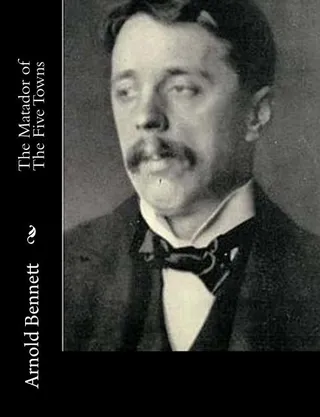
Arnold Bennett
Enoch Arnold Bennett was born on May 27, 1867, in Hanley, Stoke-on-Trent, to parents Enoch Bennett and Sarah Ann Longson. Although initially steered toward a legal career, he found his true vocation in writing. After moving to London, he became a journalist and later a full-time writer, producing novels, short stories, plays, and essays. Bennett's works often focused on the lives of ordinary people in industrial England, particularly in the area known as the Five Towns, which he depicted with vivid realism. His attention to the nuances of class, ambition, and provincial life gained him widespread popularity and critical attention. Some of his most notable works include The Old Wives Tale, Clayhanger, and The Card. Beyond fiction, he was also known for keeping a detailed daily journal and writing essays on self-improvement and literary craft. His experiences in Paris and London enriched his worldview, which he expressed through his cosmopolitan characters and practical philosophical outlook. Bennett s influence extended into public life, and during World War I he worked for the British Ministry of Information. He died in London on March 27, 1931, leaving behind a significant literary legacy and a deeply personal record of early 20th-century English society.
More by Arnold Bennett





Why Readwise Books?
Readwise Books is an ebook & audiobook platform that automatically logs how much you and your friends read, making it fun and easy to read more. Learn more →