
Wilhelm Meister's Apprenticeship and Travels
Report an issue
Tell us what's wrong and we'll take a look.
Thanks – we got it. We'll review and follow up if needed.

Wilhelm Meister's
Apprenticeship and Travels
Translated from the German of Johann Wolfgang von Goethe
By Thomas Carlyle
Wilhelm Meister's Apprenticeship (German: Wilhelm Meisters Lehrjahre) is the second novel by Johann Wolfgang von Goethe, published in 1795-96.
Goethe's work on the novel began in the 1770s. An early version of the work, unpublished during Goethe's lifetime, was discovered in the early twentieth century, and published under the title Wilhelm Meister's Theatrical Calling (Wilhelm Meisters theatralische Sendung). When the Apprenticeship was completed in the mid-1790s, it was to a great extent through the encouragement and criticism of Goethe's close friend and collaborator Friedrich Schiller that it took its final shape. Wilhelm Meisters Wanderjahre ("Wilhelm Meister's Journeyman Years"), the sequel to the Apprenticeship, was already planned in the 1790s, but did not appear in its first edition until 1821, and in its final form until 1829.
The novel has had a significant impact on European literature. Romantic critic and theorist Friedrich Schlegel judged it to be of comparable importance for its age as the French Revolution and the philosophy of Johann Gottlieb Fichte. Arthur Schopenhauer cited Wilhelm Meister's Apprenticeship as one of the four greatest novels ever written. Schopenhauer also mentions the book in his Aphorismen zur Lebensweisheit.
Arguing against chasing transient pleasures, Schopenhauer says, "Where we were looking for pleasure, happiness and joy, we often find instruction, insight and knowledge, a lasting and real benefit in place of a fleeting one. This idea runs like a bass-note through Goethe's Wilhelm Meister; for this is an intellectual novel and is of a higher order than the rest."
Wilhelm Meister's Apprenticeship provided the text for many lieder, among others by Beethoven, for example Sehnsucht: Gedicht von Goethe viermal in Musik gesetzt von L. van Beethoven, four settings of "Nur wer die Sehnsucht kennt," WoO. 134 (1808), and by Schubert, for example D 877, Gesange aus Wilhelm Meister, Op. 62 (1826).
The 1866 opera Mignon by Ambroise Thomas is based on Wilhelm Meister's Apprenticeship.
Johann Wolfgang Von Goethe
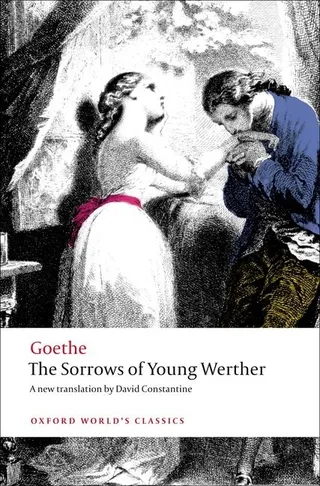
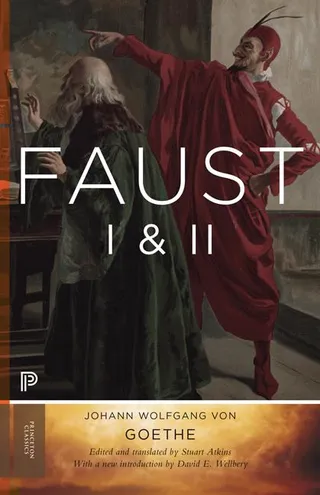
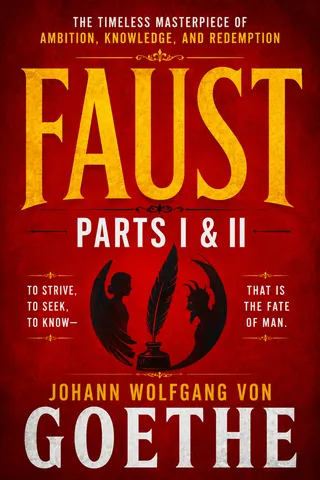
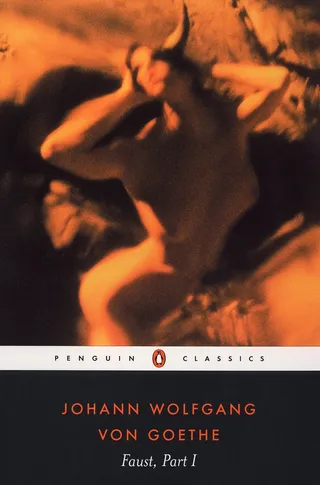
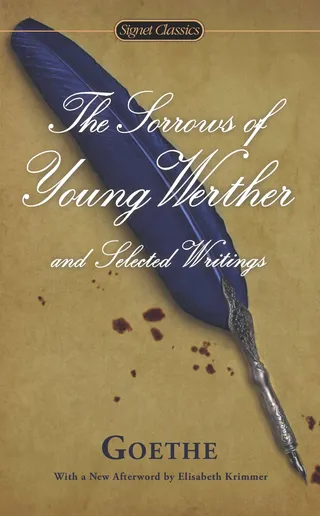
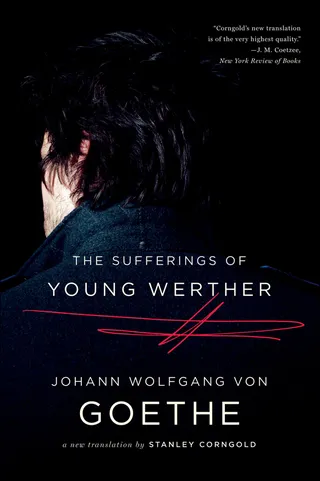
Johann Wolfgang von Goethe (1749 - 1832) was a German poet, playwright, novelist, scientist, statesman, theatre-director, and critic. Celebrated as a polymath and often considered the most influential writer in the German language, Goethe produced a wide range of works including plays, poetry, aesthetic criticism, and treatises on anatomy, botany, and color. After the success of his first novel, The Sorrows of Young Werther, he immersed himself in an intellectual and cultural scene that would become the basis of Weimar Classicism. His most famous drama, Faust, built on and crystalized the "deal with the devil" trope that would remain a mainstay of popular dramatic fiction. In his time, he was treasured as a living classic, and many of his poems were set to music by the top composers of the era including Mozart, Beethoven, and Schubert.
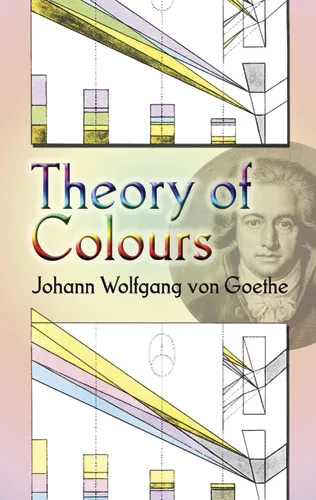
More by Johann Wolfgang Von Goethe


Thomas Carlyle
Translated by
Thomas Carlyle was a Victorian-era Scottish author, philosopher, and historian. Raised by a strict Calvinist family, Carlyle abandoned his career with the clergy in 1821 after losing his faith, focusing instead on writing. Carlyle went on to publish such noted works as Life of Schiller, Sartor Resartus—which was inspired by his crisis of faith, and The French Revolution, and became one of the most prominent writers of his day. Carlyle’s later works included Heroes and Hero-Worship and Frederick the Great. Carlyle passed away in 1881.


Why Readwise Books?
Readwise Books is an ebook & audiobook platform that automatically logs how much you and your friends read, making it fun and easy to read more. Learn more →