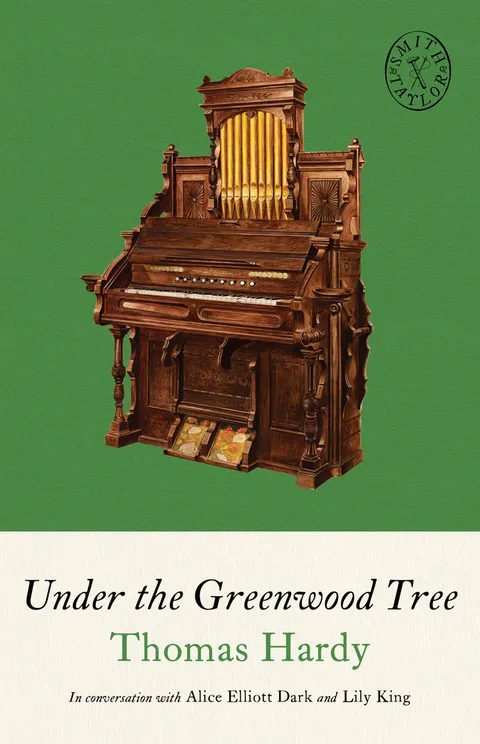
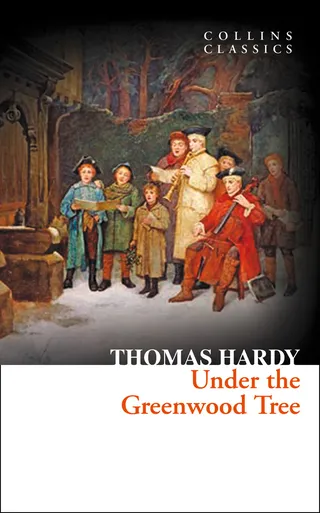
Under the Greenwood Tree
Report an issue
Tell us what's wrong and we'll take a look.
Thanks – we got it. We'll review and follow up if needed.
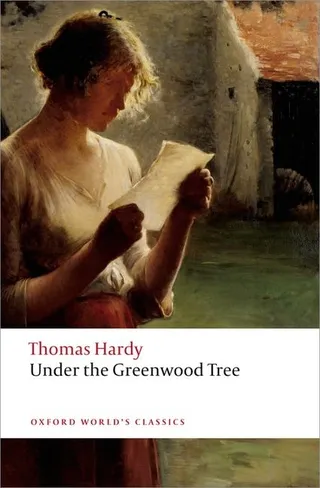
When the new schoolmistress, Fancy Day, arrives and promptly captivates every man in the parish, the village's band of folk musicians finds itself contending with two threats at once: the vicar's plan to replace them with a modern organ, and the distraction of watching Dick Dewy fall helplessly in love.
Under the Greenwood Tree (1872) is Hardy's first major novel and his most quietly contented one. Organised by the seasons, rooted in rural English life, and genuinely funny, it's a portrait of a tight-knit community on the cusp of change. A new world is encroaching, but slowly. For now, there is courtship, there is snow on a clear Christmas Eve night and wind in the trees, and there is music.
Thomas Hardy
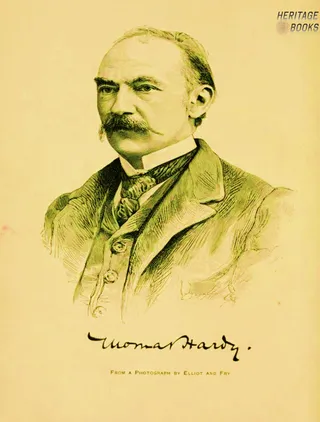
Thomas Hardy was born in 1840 in Dorchester, Dorset. He enrolled as a student in King’s College, London, but never felt at ease there, seeing himself as socially inferior. This preoccupation with society, particularly the declining rural society, featured heavily in Hardy’s novels, with many of his stories set in the fictional county of Wessex. Since his death in 1928, Hardy has been recognised as a significant poet, influencing The Movement poets in the 1950s and 1960s.
More by Thomas Hardy




Alice Elliott Dark
Alice Elliott Dark is the author of the national bestseller Fellowship Point and Think of England, and two collections of short stories, In the Gloaming and Naked to the Waist. Her work has appeared in The New Yorker, Harper's Magazine, The New York Times, The Best American Short Stories, and O. Henry: Prize Stories, among others. She is the director of Rutgers-Newark MFA program.


Why Readwise Books?
Readwise Books is an ebook & audiobook platform that automatically logs how much you and your friends read, making it fun and easy to read more. Learn more →