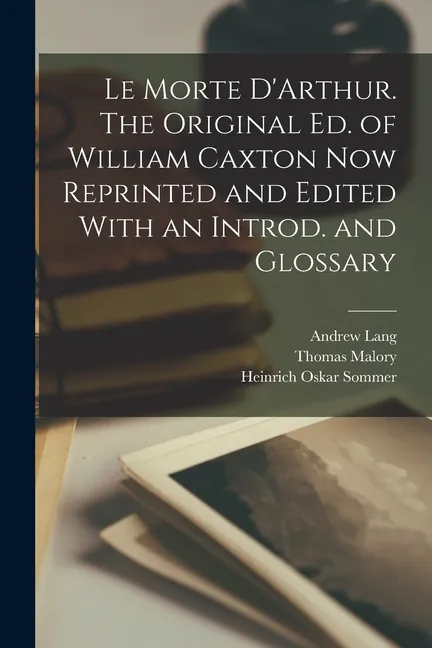
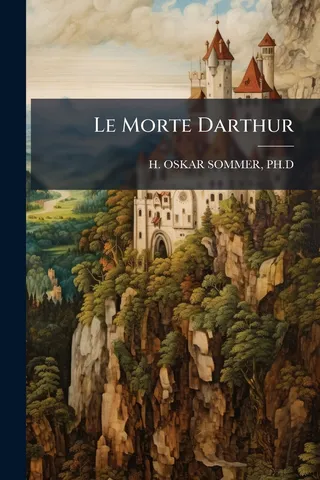
Le Morte D'Arthur. The Original ed. of William Caxton now Reprinted and Edited With an Introd. and Glossary
Report an issue
Tell us what's wrong and we'll take a look.
Thanks – we got it. We'll review and follow up if needed.
This work has been selected by scholars as being culturally important, and is part of the knowledge base of civilization as we know it.
This work is in the "public domain in the United States of America, and possibly other nations. Within the United States, you may freely copy and distribute this work, as no entity (individual or corporate) has a copyright on the body of the work.
Scholars believe, and we concur, that this work is important enough to be preserved, reproduced, and made generally available to the public. We appreciate your support of the preservation process, and thank you for being an important part of keeping this knowledge alive and relevant.
Andrew Lang
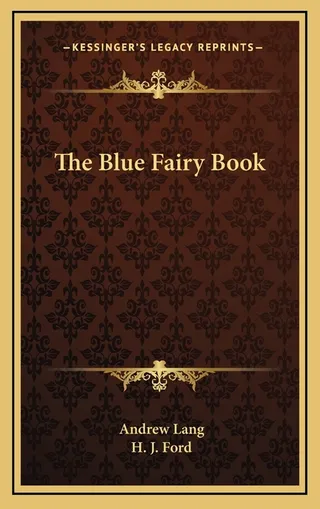
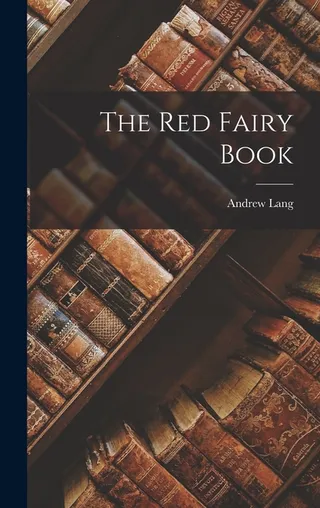
Andrew Lang brought ancient tales and myths to life with charm, curiosity, and literary skill. Born in 1844 in Scotland, he became a prolific writer, translator, and collector of folklore from around the world. A deep fascination with storytelling and cultural tradition shaped his philosophy, celebrating the shared imagination of humanity.Myth, legend, and narrative unity define the heart of his work. In collections such as The Blue Fairy Book and the wider Fairy Books series, he gathered stories from many cultures into cohesive and engaging volumes. Fluid storytelling reveals how timeless themes of courage, magic, and transformation connect people across different places and eras.Enduring influence has made him a central figure in the preservation of folklore. Readers across generations have discovered classic fairy tales through his accessible and carefully curated collections. Today, his work remains widely read, valued for its richness, accessibility, and lasting contribution to literary tradition.
More by Andrew Lang
Thomas Malory
Le Morte d'Arthur, the well-known English-language account of the Arthurian legend, was written by Sir Thomas Malory. Malory's personal narrative is mostly unknown, but the fact that he called himself a "knight prisoner" suggests that he was either a criminal or a prisoner of war. Although his identity has never been verified, the majority of researchers agree that he was a Warwickshire native who was imprisoned on several occasions during the Wars of the Roses The prayers that may be found in the Winchester Manuscript of Le Morte d'Arthur provide the majority of the information we have about Thomas Malory. He is distinguished from the other applicants for the position by being called a "knyght prisoner." Grammatically speaking, references to Malory as a knight may be found in the third and last volume of the Manuscript. It's unlikely that Queen Elizabeth II bestowed a knighthood on Le Morte d'Arthur's author.
More by Thomas Malory







Why Readwise Books?
Readwise Books is an ebook & audiobook platform that automatically logs how much you and your friends read, making it fun and easy to read more. Learn more →