Report an issue
Tell us what's wrong and we'll take a look.
Thanks – we got it. We'll review and follow up if needed.
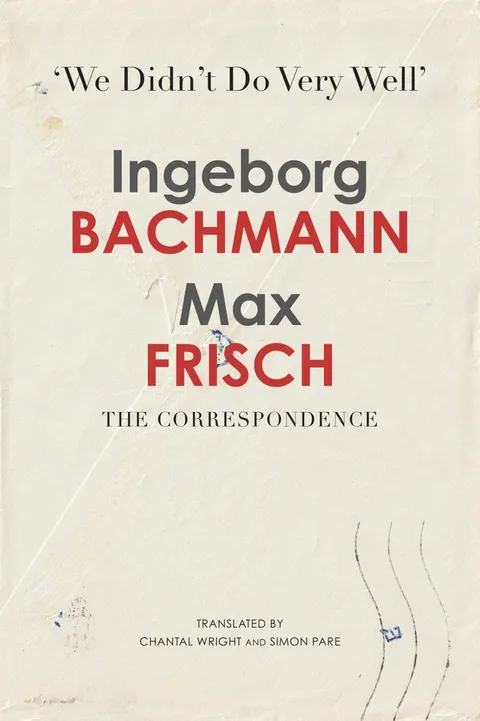
The fraught and generative relationship between two postwar literary giants--revealed through a series of letters published for the first time in English.
Ingeborg Bachmann (1926-1973) stands among the most vital voices of postwar German literature--an acclaimed poet and prose writer who also reshaped radio drama and opera. In 1958, a letter of admiration from the Swiss novelist Max Frisch (1911-1991), written after hearing Bachmann's radio play The Good God of Manhattan, led to a meeting in Paris and the beginning of an intense, volatile love affair that would forever leave a mark on both their lives and work. Presented here for the first time in English, 299 letters written between 1958 and 1973 trace the arc of that relationship: long separations, the strain of two writers attempting to share a life, creative rivalry, sexual jealousy, and gendered tensions sharpened by a fifteen-year age gap. The correspondence ranges from everyday logistics to raw psychological insight, from passion and longing to bitterness, silence, and regret. The later letters, written as Bachmann's health declined, expand to include friends, relatives, and key literary figures. First published in German in 2022, this correspondence overturned long-held myths about the two writers, revealing mutual influence, negotiated freedom, and a struggle to reconcile incompatible needs. Intimate and revelatory, these letters illuminate the fragile intersection of love, power, and creativity.
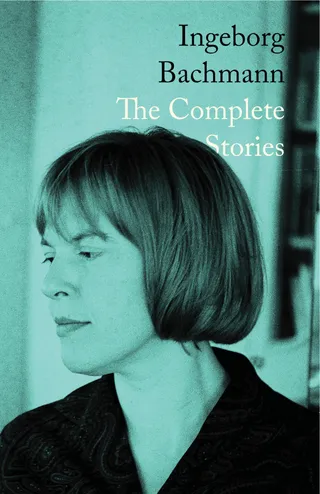
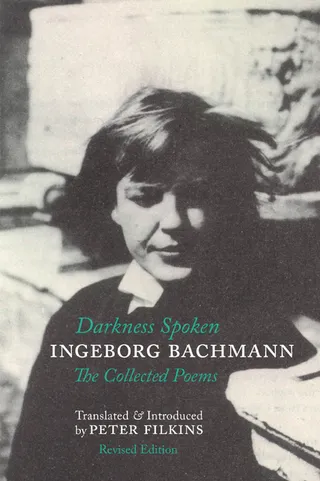
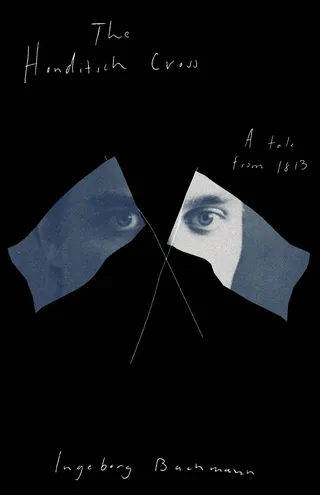
Ingeborg Bachmann
Ingeborg Bachmann (1926–1973) is widely regarded as one of the greatest German-language writers of the twentieth century. Her poems, plays, stories, and her only finished novel, Malina, have been championed by Paul Celan, Hannah Arendt, Günter Grass, Peter Handke, Thomas Bernhard, Christa Wolf, and Elfriede Jelinek.
More by Ingeborg Bachmann
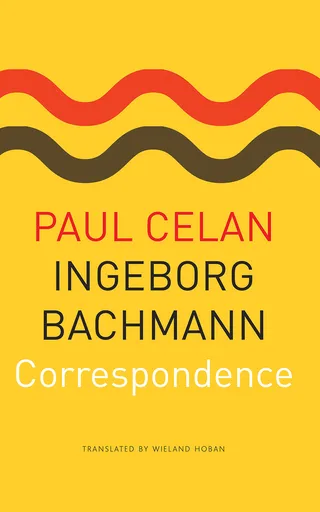
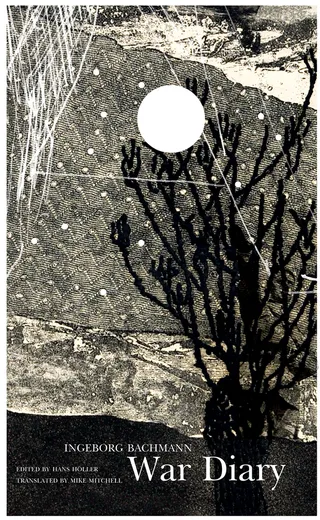
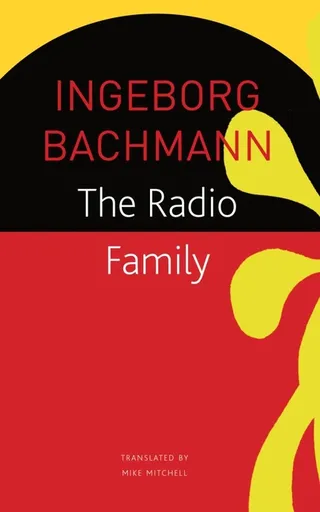
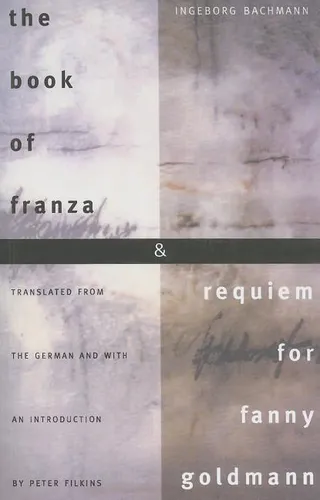
Max Frisch
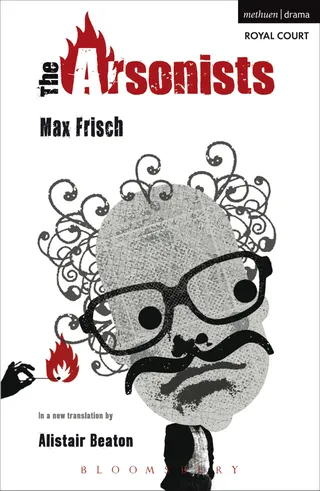
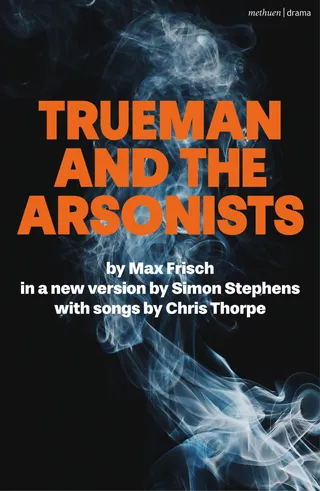
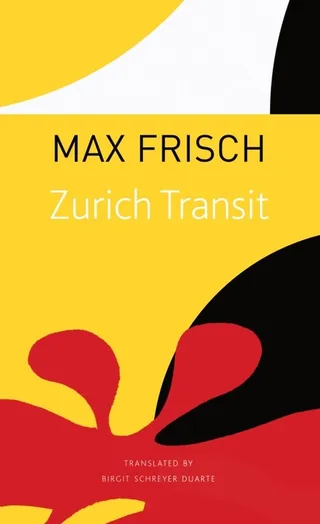
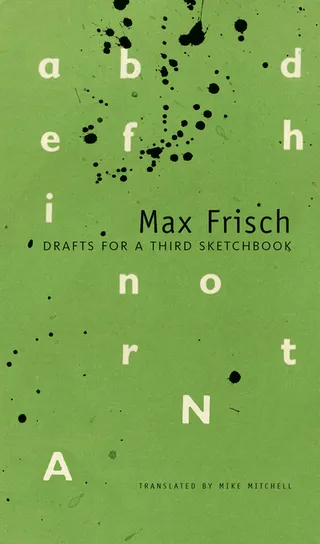
Max Frisch, born in Zurich in 1911, was one of the giants of twentieth-century literature, achieving fame as a novelist, playwright, diarist, and essayist. He died in 1991, the year Homo Faber was made by Volker Schlondorff into the acclaimed motion picture Voyager, starring Sam Shepard.
More by Max Frisch
Chantal Wright
Translated by
Chantal Wright is Honorary Fellow of the School of Modern Languages and Cultures at Durham University and Visiting Fellow of the School of Translation and Interpretation at the University of Ottawa. She studied at the University of Cambridge and the University of East Anglia in the UK, and previously taught at the University of Wisconsin-Milwaukee, the University of Alberta, and Mount Allison University. Her research interests focus on the theory and practice of literary translation, stylistics, and exophony. In 2012, her translation of Tzveta Sofronieva's poetry collection, A Hand Full of Water, won the inaugural Cliff Becker Book Prize in Translation. Chantal Wright has translated some of Germany's best-known children's authors including Milena Baisch, Zoran Drvenkar, and Cornelia Funke. In 2011, her translation of Andreas Steinhöfel's The Pasta Detectives was shortlisted for the Marsh Award for Children's Literature in the UK. From 2005 to 2008, Chantal Wright was the editor of Transcript, a European Union funded, online review of international writing published by Literature Across Frontiers at the University of Aberystwyth in Wales.


Why Readwise Books?
Readwise Books is an ebook & audiobook platform that automatically logs how much you and your friends read, making it fun and easy to read more. Learn more →