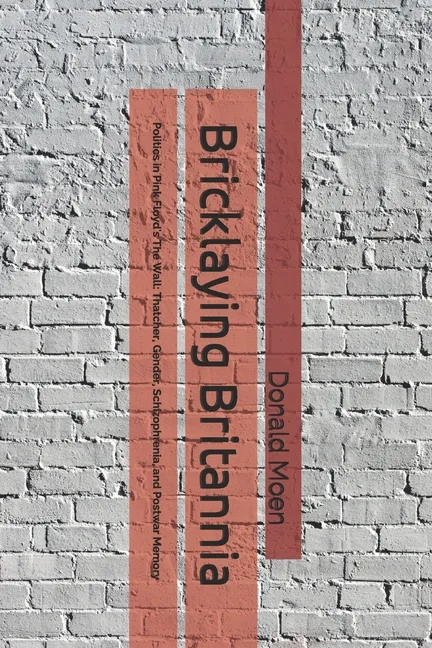
Bricklaying Britannia
Politics in Pink Floyd's The Wall: Thatcher, Gender, Schizophrenia, and Postwar Memory
Report an issue
Tell us what's wrong and we'll take a look.
Thanks – we got it. We'll review and follow up if needed.
This book looks at how visual and sonic culture work syncretically to form political meaning; specifically, how aesthetic meaning can be used as part of a process to produce political meaning. Pink Floyd's 1982 film The Wall is a case study in how masculinity is constructed in modern Britain and how gender relates to the rise of neo-conservatism or the New Right in modern Britain. The band raises concern over Thatcher and then blames the deconstruction of the modern welfare state and masculinity on Woman. The film presents a hegemonic masculinity connecting Woman and the State as a single dominant entity within the context of post-war Britain and the rise of the New Right.
Don Moen
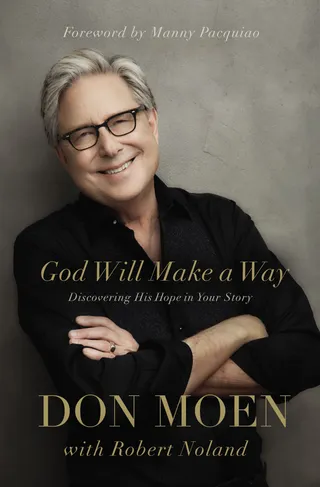
A pioneer of the modern Praise and Worship movement, Don Moen has spent his career as a worship leader, producer, songwriter, and music executive. While a student at Oral Roberts University in the early 70s, Moen began touring with the musical group Living Sound and evangelist Terry Law. By 1986, Moen had recorded "Give Thanks" for the Hosanna Music! praise and worship series at Integrity Music, where he would serve as creative director, executive producer, and eventually, president of the label. During his tenure there, he sold more than 5 million units and signed worship leaders and songwriters, such as Paul Baloche, Ron Kenoly, Darlene Zschech, and many more. Today Moen lives in Nashville, TN, with his wife, Laura, where he is president of Don Moen Productions and oversees his international nonprofit ministry, Worship in Action.
More by Don Moen



Why Readwise Books?
Readwise Books is an ebook & audiobook platform that automatically logs how much you and your friends read, making it fun and easy to read more. Learn more →