Report an issue
Tell us what's wrong and we'll take a look.
Thanks – we got it. We'll review and follow up if needed.
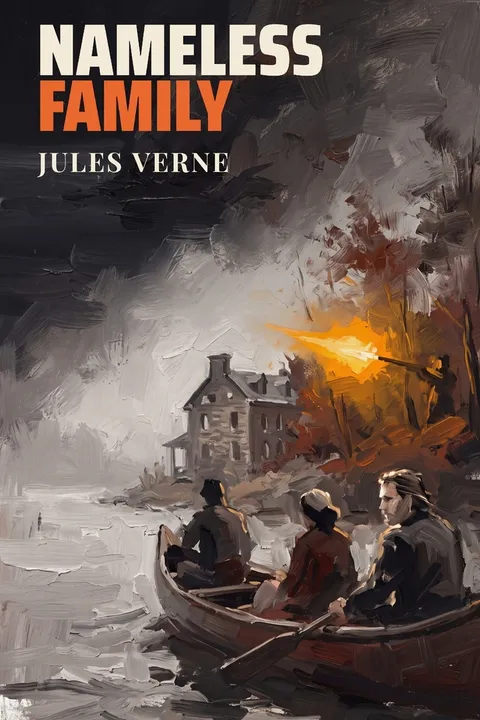
Jean-Sans-Nom-"John-Without-a-Name"-leads the Patriote rebellion against British rule in Lower Canada with legendary courage. The year is 1837. French Canadians are demanding autonomy, justice, the right to govern themselves. Jean has become the movement's heart: strategic, fearless, inspiring men to risk everything for freedom.
But Jean cannot tell anyone who he really is. His family has no name because they lost it through an act of betrayal so profound it erased their identity. He fights to liberate his people while carrying this inherited shame, trying to redeem through revolutionary action what his family destroyed through treachery. The men who follow him would despise him if they knew his name.
Jules Verne published Nameless Family (Famille-sans-nom) in 1889, turning his attention from technological speculation to historical catastrophe. The Canadian Rebellions of 1837-1838 failed brutally-British forces crushed the uprisings, executed leaders, burned villages, implemented policies designed to destroy French Canadian political and cultural autonomy. Verne knew this when he wrote the novel. The question isn't whether the rebellion will succeed but how its participants will face certain defeat and at what cost.
What emerges is one of Verne's darkest and most politically sophisticated works. A protagonist divided between public heroism and private disgrace. A mother watching her sons risk death to erase a stain they don't fully understand. A rebellion doomed from the start by superior force and internal fractures. A landscape-vast, frozen, isolating-that both shelters resistance and makes sustained struggle impossible.
This isn't Verne imagining future wonders or celebrating technological triumph. This is Verne confronting how people maintain dignity when facing overwhelming power, how children inherit their parents' sins, how some debts can't be repaid and some rebellions simply fail.
For readers interested in how the nineteenth century understood national liberation struggles, or in Verne's capacity for political engagement beyond his famous adventures, Nameless Family reveals an author willing to write about failure, betrayal, and the impossibility of redemption-and to refuse the consolation of easy heroism.
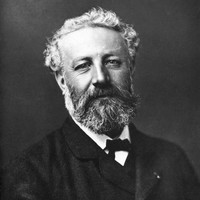
Jules Verne
Jules Verne (1828-1905) is considered by many the father of science fiction. Born in Nantes, France, he studied law but turned to writing opera libretti until the 1863 publication of Five Weeks in a Balloon, the first of his Extraordinary Voyages series. Its success encouraged him to produce a number of classic and prophetic science fiction novels, including Journey to the Center of the Earth and Twenty Thousand Leagues under the Sea. His stories foresaw many scientific and technological developments, including the submarine, television, and space travel.
More by Jules Verne



Why Readwise Books?
Readwise Books is an ebook & audiobook platform that automatically logs how much you and your friends read, making it fun and easy to read more. Learn more →