Report an issue
Tell us what's wrong and we'll take a look.
Thanks – we got it. We'll review and follow up if needed.
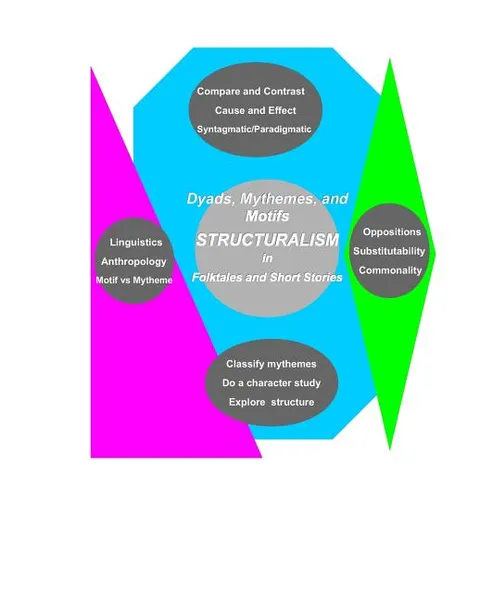
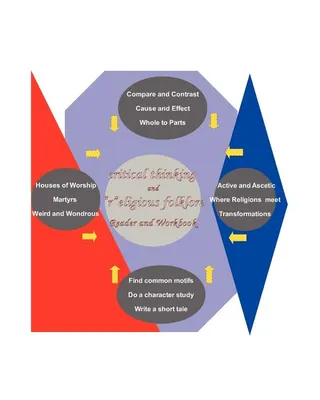
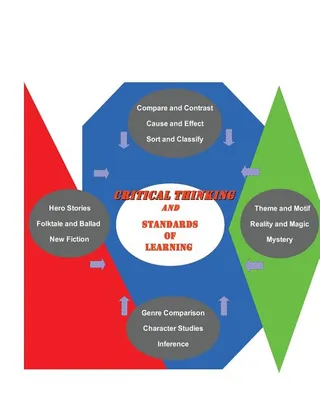
Dyads, Mythemes, and Motifs: STRUCTURALISM in folktales and short stories is a combination of reader and workbook, which is designed for students in high school and above. The workbook incorporates the following learning topics: -Introduction to Literary Structuralism. This section includes a brief history of New Criticism. Since most students have been taught to approach a literary text from the New Criticism viewpoint, this more familiar analysis forms a good contrast to Structuralism.-How Structuralism developed includes the structural anthropological basis or "roots" from which literary Structuralism developed. Emphasis is on anthropological structural linguistic concepts, which are important in literary Structuralism.-Folktales and Structuralism introduces the student to various important concepts of anthropological folklore. Based on these folklore concepts, students analyze various folktales. Techniques include: the dyad (part of anthropological kinship studies); mythemes as defined by Russian folklorists; folklore motifs.-Application of folklore concepts. With a basic understanding of the various folklore concepts, students apply these ideas to a number of non-folkloristic short story selections. In doing so, they apply such concepts as the dyad to more complex short stories. -Use of Graphics. To help students understand this new way of analyzing literature, graphics are used extensively, first to illustrate important points in the literary structural approach. Later students use these same graphic techniques to do their interpretation of various literary selections.-Exercises help students understand the reading selections and prepare them to write about the content of the chapter.-Writing is the final learning experience in which each student's meaning about and understanding of the selections, combined with working with graphics, leads to organized, succinct, and pertinent writing. The writing section also includes Tips to help each student write completely and clearly.
David Garnett
David Garnett is the Chair of Two Rivers Housing and formely taughtnHousing Finance at University of West of England, Bristol, UK.
More by David Garnett





Why Readwise Books?
Readwise Books is an ebook & audiobook platform that automatically logs how much you and your friends read, making it fun and easy to read more. Learn more →