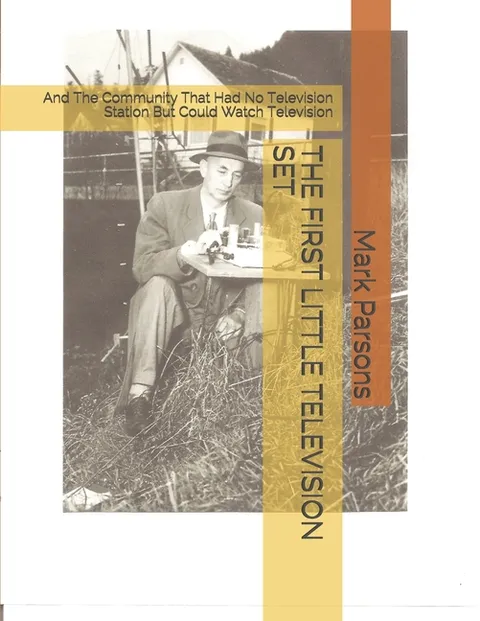
The First Little Television Set
And The Community That Had No Television Station But Could Watch Television
Report an issue
Tell us what's wrong and we'll take a look.
Thanks – we got it. We'll review and follow up if needed.
"Ed" Parsons, as he liked to be called in Alaska, was known as the Great White Father of Communication for very good reasons: He created what one day would be the largest industrial giants of our time. He was the Father of the first documented paying cable television industry as we know it today. He was a Father figure to many of the Eskimos of northern Alaska. He often came and went to Washington D.C. to conduct business as he brought northern Alaska's communication into the 20th century. He was an original Alaskan pioneer and, from the time he was 29 years old, he was 6'4" tall with bushy white eyebrows and the whitest hair anyone ever saw. In an informal land of mukluks and parkas he always wore a white shirt and a tie.But this story is about that little television set in Oregon he brought to Astoria and how it change almost everyone's view of television.
Mark Parsons
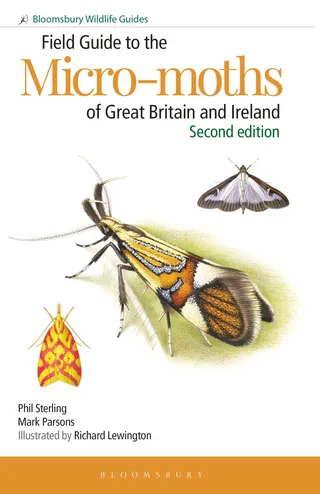
Mark Parsons has studied Lepidoptera since 1976. He has a BSc in Biology and is a Fellow of the Royal Entomological Society, and belongs to leading entomological societies. He has worked as an entomologist for the Nature Conservancy Council, the Joint Nature Conservation Committee and the Natural History Museum, London. Mark has published widely and co-authored key guides, including the Field Guide to the Micro-moths of Great Britain and Ireland and A Guide to the Pyralid and Crambid Moths of Britain and Ireland.
More by Mark Parsons






Why Readwise Books?
Readwise Books is an ebook & audiobook platform that automatically logs how much you and your friends read, making it fun and easy to read more. Learn more →