
Amok and other Stories
Report an issue
Tell us what's wrong and we'll take a look.
Thanks – we got it. We'll review and follow up if needed.
A doctor in the Dutch East Indies torn between his medical duty to help and his own mixed emotions; a middle-aged maidservant whose devotion to her master leads her to commit a terrible act; a hotel waiter whose love for an unapproachable aristocratic beauty culminates in an almost lyrical death and a prisoner-of-war longing to be home again in Russia. In these four stories, Stefan Zweig shows his gift for the acute analysis of emotional dilemmas. His four tragic and moving cameos of the human condition are played out against cosmopolitan and colonial backgrounds in the first half of the twentieth century.
Stefan Zweig
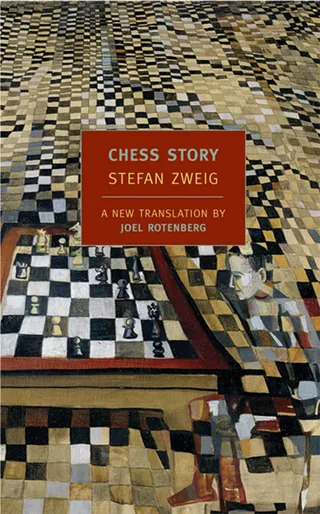
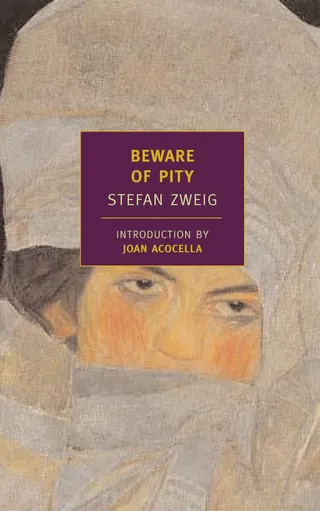
Stefan Zweig (1881-1942), novelist, biographer, poet, and translator, was born in Vienna into a wealthy Austrian Jewish family. During the 1930s, he was one of the bestselling writers in Europe, and was among the most translated German-language writers before the Second World War. With the rise of Nazism, he moved from Salzburg to London (taking British citizenship), to New York, and finally to Brazil, where he committed suicide with his wife. New York Review Books has published Zweig's novels The Post-Office Girl and Beware of Pity as well as the novella Chess Story.
More by Stefan Zweig









Anthea Bell
Translated by
Anthea Bell (1936-2018) was a translator of literary works from French, German, and Danish. These include The Castle by Franz Kafka, Austerlitz by W. G. Sebald, and the French Asterix comics (with cotranslator Derek Hockridge). She was appointed Officer of the Order of the British Empire.













Why Readwise Books?
Readwise Books is an ebook & audiobook platform that automatically logs how much you and your friends read, making it fun and easy to read more. Learn more →