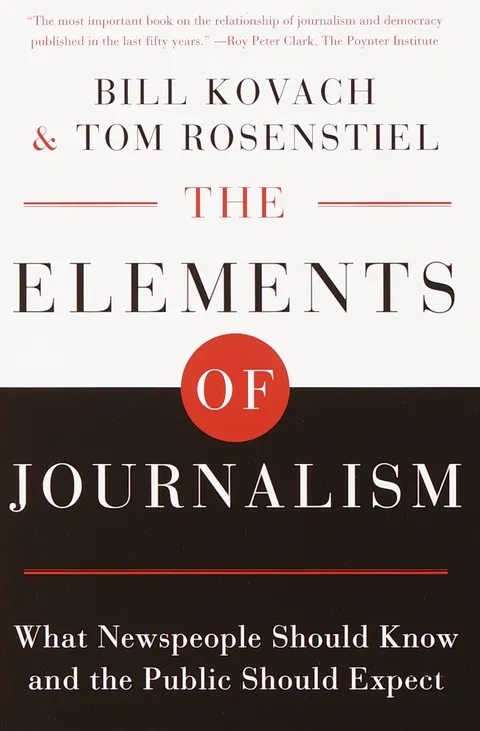
The Elements of Journalism
What Newspeople Should Know and the Public Should Expect
Report an issue
Tell us what's wrong and we'll take a look.
Thanks – we got it. We'll review and follow up if needed.
In July 1997, twenty-five of America's most influential journalists sat down to try and discover what had happened to their profession in the years between Watergate and Whitewater. What they knew was that the public no longer trusted the press as it once had. They were keenly aware of the pressures that advertisers and new technologies were putting on newsrooms around the country. But, more than anything, they were aware that readers, listeners, and viewers — the people who use the news — were turning away from it in droves.
There were many reasons for the public's growing lack of trust. On television, there were the ads that looked like news shows and programs that presented gossip and press releases as if they were news. There were the "docudramas," television movies that were an uneasy blend of fact and fiction and which purported to show viewers how events had "really" happened. At newspapers and magazines, celebrity was replacing news, newsroom budgets were being slashed, and editors were pushing journalists for more "edge" and "attitude" in place of reporting. And, on the radio, powerful talk personalities led their listeners from sensation to sensation, from fact to fantasy, while deriding traditional journalism. Fact was blending with fiction, news with entertainment, journalism with rumor.
Calling themselves the Committee of Concerned Journalists, the twenty-five determined to find how the news had found itself in this state. Drawn from the committee's years of intensive research, dozens of surveys of readers, listeners, viewers, editors, and journalists, and more than one hundred intensive interviews with journalists and editors, The Elements of Journalism is the first book ever to spell out — both for those who create and those who consume the news — the principles and responsibilities of journalism. Written by Bill Kovach and Tom Rosenstiel, two of the nation's preeminent press critics, this is one of the most provocative books about the role of information in society in more than a generation and one of the most important ever written about news. By offering in turn each of the principles that should govern reporting, Kovach and Rosenstiel show how some of the most common conceptions about the press, such as neutrality, fairness, and balance, are actually modern misconceptions. They also spell out how the news should be gathered, written, and reported even as they demonstrate why the First Amendment is on the brink of becoming a commercial right rather than something any American citizen can enjoy.
The Elements of Journalism is already igniting a national dialogue on issues vital to us all. This book will be the starting point for discussions by journalists and members of the public about the nature of journalism and the access that we all enjoy to information for years to come.
Tom Rosenstiel
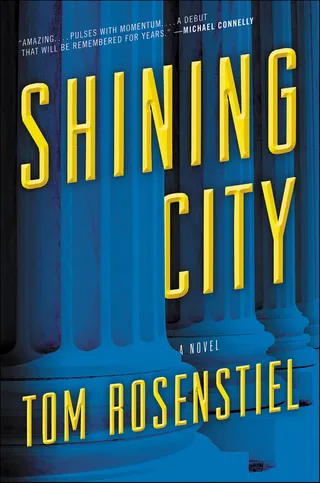
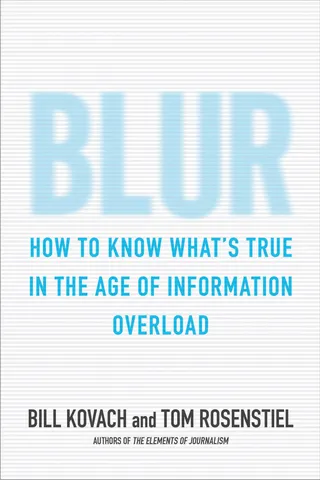
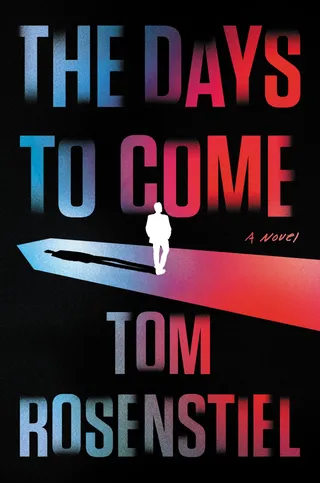
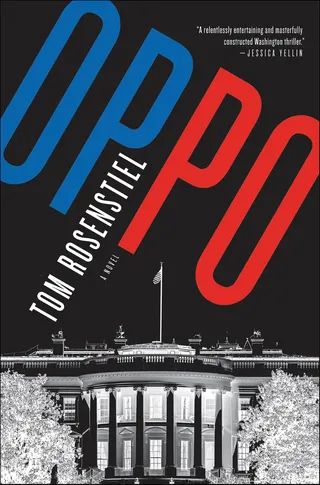
Tom Rosenstiel is the author of eleven books, four of which are novels. His nonfiction is focused on politics and media, and he is recognized as one of the leading thinkers in the country in the future of media. His book The Elements of Journalism, now in its fourth edition, has been translated into more than 25 languages. Tom is the Eleanor Merrill Visiting Professor on the future of Journalism at the University of Maryland’s Philip Merrill College of Journalism and a senior fellow at the Brookings Institution. He formerly was the executive director of the American Press Institute and the founder and director of the media research unit at Pew Research Center, which he directed for 16 years. He was the press critic of the Los Angeles Times for a decade and is a non-resident senior fellow at the Brookings Institution in Washington. He lives in Chevy Chase Maryland with his wife, Rima.
More by Tom Rosenstiel



Why Readwise Books?
Readwise Books is an ebook & audiobook platform that automatically logs how much you and your friends read, making it fun and easy to read more. Learn more →