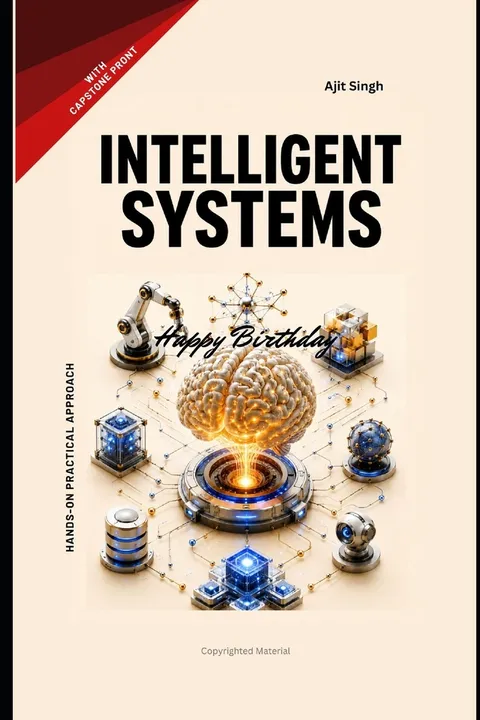
Intelligent Systems
Report an issue
Tell us what's wrong and we'll take a look.
Thanks – we got it. We'll review and follow up if needed.
Philosophy
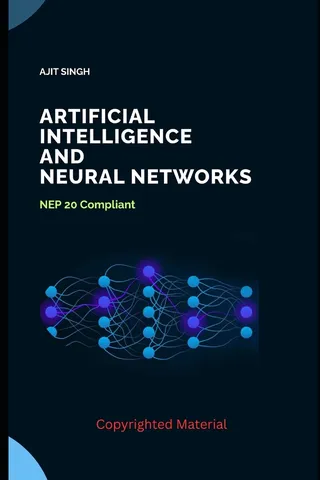
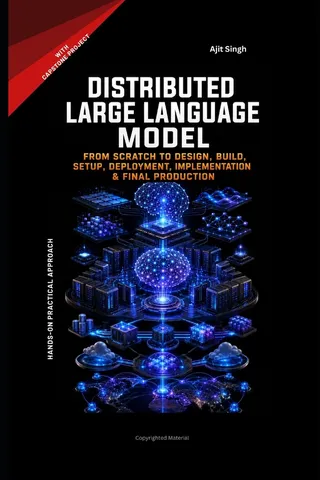
The central philosophy of this book is "Implementation over Abstraction." In the modern tech industry, value is generated by building solutions that work, scale, and solve real human problems. Knowing the complex calculus behind a system is useless if you cannot deploy that system to a cloud server where users can access it. Therefore, this book operates on the principle that practical application must always take precedence.
Key Features
1. Scratch to Production: A complete, unbroken chain of instruction detailing how to take an idea, design the architecture, write the code, configure the environment, and deploy it live.
2. Industry-Relevant Trends: Content is strictly aligned with the current demands of the tech industry, utilizing modern frameworks, deployment strategies, and cloud-native practices.
3. Simple Algorithm Formatting: All complex operations and algorithms are distilled into easily digestible, numbered step-by-step lists.
4. Extensive Case Studies: Real-world examples of how major industries apply these systems, including the advantages, disadvantages, and modes of operation.
5. Live DIY Capstone Project: The final chapter is entirely dedicated to a massive, practical capstone project. It includes the complete, working code for a real application, with step-by-step explanations of how to build, test, and deploy it to a live environment.
6. Comprehensive Component Breakdown: Detailed analysis of system architectures, including services, frameworks, elements, and their specific functionings in a production environment.
Key Takeaway
By the time you finish the final capstone project in Chapter 10, you will have acquired a highly marketable, industry-ready skill set. Key takeaways include:
1. A firm grasp of the history, evolution, classification, and components of intelligent systems.
2. The ability to design scalable, robust architectures using modern frameworks.
3. Practical skills in writing simple, efficient code for complex algorithms using step-by-step logic.
4. Mastery over the setup and configuration of necessary services and system elements.
5. The capability to execute seamless deployments, transforming a local prototype into a live, user-facing production application.
6. Deep understanding of the future scope of these technologies and how to adapt your applications to changing industry trends.
Disclaimer: Earnest request from the Author.
Kindly go through the table of contents and refer kindle edition for a glance on the related contents.
Thank you for your kind consideration!





Why Readwise Books?
Readwise Books is an ebook & audiobook platform that automatically logs how much you and your friends read, making it fun and easy to read more. Learn more →