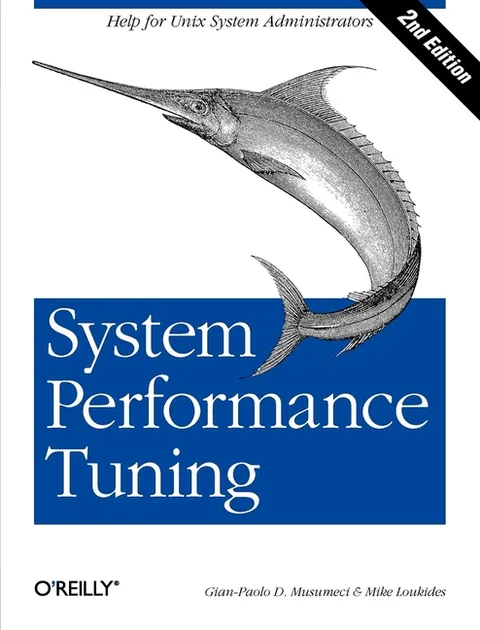
System Performance Tuning
Report an issue
Tell us what's wrong and we'll take a look.
Thanks – we got it. We'll review and follow up if needed.
System Performance Tuning answers one of the most fundamental questions you can ask about your computer: How can I get it to do more work without buying more hardware? In the current economic downturn, performance tuning takes on a new importance. It allows system administrators to make the best use of existing systems and minimize the purchase of new equipment. Well-tuned systems save money and time that would otherwise be wasted dealing with slowdowns and errors. Performance tuning always involves compromises; unless system administrators know what the compromises are, they can't make intelligent decisions. Tuning is an essential skill for system administrators who face the problem of adapting the speed of a computer system to the speed requirements imposed by the real world. It requires a detailed understanding of the inner workings of the computer and its architecture. System Performance Tuning covers two distinct areas: performance tuning, or the art of increasing performance for a specific application, and capacity planning, or deciding what hardware best fulfills a given role. Underpinning both subjects is the science of computer architecture. This book focuses on the operating system, the underlying hardware, and their interactions. Topics covered include:
- Real and perceived performance problems, introducing capacity planning and performance monitoring (highlighting their strengths and weaknesses). An integrated description of all the major tools at a system administrator's disposal for tracking down system performance problems. Background on modern memory handling techniques, including the memory-caching filesystem implementations in Solaris and AIX. Updated sections on memory conservation and computing memory requirements. In depth discussion of disk interfaces, bandwidth capacity considerations, and RAID systems. Comprehensive discussion of NFS and greatly expanded discussion of networking. Workload management and code tuning. Special topics such as tuning Web servers for various types of content delivery and developments in cross-machine parallel computing
Mike Loukides
Mike Loukides is an editor for O'Reilly & Associates. He is the author of System Performance Tuning and UNIX for FORTRAN Programmers. Mike's interests are system administration, networking, programming languages, and computer architecture. His academic background includes degrees in electrical engineering (B.S.) and English literature (Ph.D.).
More by Mike Loukides


Why Readwise Books?
Readwise Books is an ebook & audiobook platform that automatically logs how much you and your friends read, making it fun and easy to read more. Learn more →